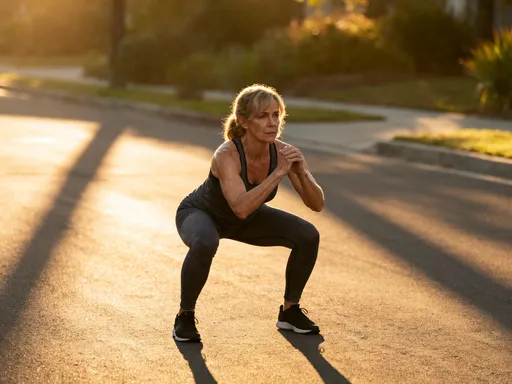
How I Balanced Medication and Movement to Reclaim My Daily Life
When medication became part of my routine, I worried it would be the only thing keeping me going. But I soon realized that healing isn’t just about pills—it’s about what you do alongside them. Adding simple, consistent exercise didn’t replace treatment, but it transformed how I felt each day. This is how movement quietly became my partner in recovery. For many women in their 30s to 55s managing chronic conditions, the idea of adding physical activity can feel overwhelming, even contradictory to medical advice. Yet research increasingly shows that when paired thoughtfully with prescribed treatment, movement can play a powerful role in restoring energy, improving mood, and enhancing overall quality of life. The journey isn’t about dramatic transformations—it’s about reclaiming small moments of strength, clarity, and control.
The Moment Everything Changed
The diagnosis came after months of unexplained fatigue, joint discomfort, and sleepless nights. At first, I dismissed the symptoms as stress or the natural toll of balancing work, family, and household responsibilities. But when my doctor confirmed a chronic health condition requiring daily medication, the reality settled in like a heavy coat I couldn’t take off. I felt a mix of relief—finally, there was an explanation—and fear. Would this pill define me now? Would I lose the ability to move freely, to keep up with my children, to enjoy simple pleasures like gardening or walking through the park?
That sense of loss was more than physical; it was emotional. I worried about becoming dependent on medication, about my body no longer responding the way it once did. The idea of losing autonomy over my own health was deeply unsettling. I wasn’t just facing a medical condition—I was confronting a shift in identity. Who was I if I couldn’t rely on my body to carry me through the day? It was during a follow-up appointment that my doctor gently suggested something unexpected: “Medication will help manage your symptoms, but pairing it with gentle movement could make a real difference.” At the time, the idea seemed almost too simple to be true.
Still, that small suggestion planted a seed. I wasn’t being asked to run a marathon or join a gym. Just to move—mindfully, gently, consistently. The turning point wasn’t dramatic. It was the moment I decided to stop seeing my body as broken and start seeing it as capable, even in its current state. That shift in mindset didn’t erase the diagnosis, but it opened the door to a new kind of healing—one that involved both medicine and motion.
Why Exercise Isn’t Just for Fitness—It’s for Healing
For many women, the word “exercise” brings to mind images of intense workouts, fitness trackers, and strict regimens. But healing movement isn’t about performance; it’s about function. It’s about supporting the body’s natural ability to respond to treatment and restore balance. When used alongside medication, physical activity isn’t a substitute—it’s a supporter. Studies show that regular, low-impact movement can improve circulation, which helps deliver medication more efficiently through the bloodstream. It also supports better sleep, reduces inflammation, and helps regulate mood, all of which are critical for long-term health management.
One of the most powerful ways movement aids healing is through the release of endorphins—natural chemicals in the brain that help reduce pain and boost feelings of well-being. Unlike the temporary relief of medication, these endorphins offer a sustained emotional lift, often described as a “natural high.” Over time, this can reduce reliance on medication for mood stabilization, though it never replaces it. Additionally, physical activity helps reduce systemic inflammation, a common factor in many chronic conditions. Even light movement, such as walking or stretching, can lower inflammatory markers in the body, creating a more favorable environment for healing.
Another key benefit is improved mobility and joint function. Many women on long-term medication experience stiffness or reduced range of motion, especially in the mornings. Gentle movement helps lubricate the joints, maintain muscle strength, and prevent further decline. Importantly, exercise enhances insulin sensitivity and supports cardiovascular health, both of which are crucial when managing conditions that require ongoing medical treatment. The science is clear: movement works hand in hand with medicine, not against it. It’s not about pushing harder—it’s about moving smarter, with intention and care.
Starting Small: My First Real Step Forward
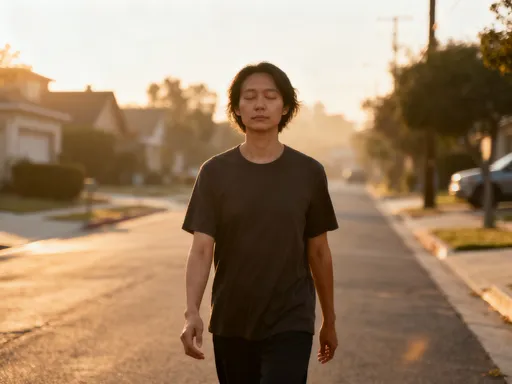
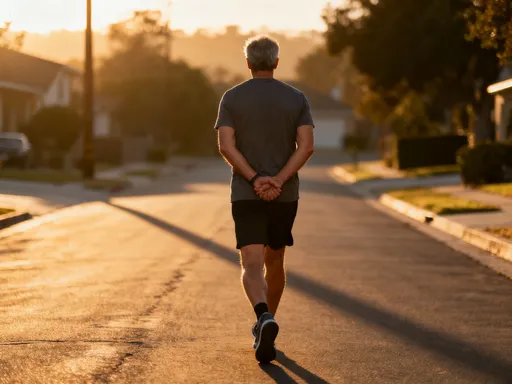
I began with just ten minutes a day—short walks around the block in the early morning, when the air was cool and the neighborhood was quiet. At first, even that felt like a challenge. My legs ached, my energy flagged, and I often had to stop and rest. But I kept going, not because I felt strong, but because I wanted to feel capable. Those first steps weren’t about distance or speed; they were about showing up for myself, even when I didn’t feel like it.
Alongside walking, I added gentle stretching—simple movements like shoulder rolls, neck tilts, and seated forward bends. I followed online videos designed for beginners, making sure to stay within a comfortable range. There were days I questioned whether it was making any difference. But after a few weeks, subtle changes began to emerge. I noticed I was sleeping more deeply. The stiffness in my joints lessened, especially in the mornings. I had more energy to help my kids with homework or prepare dinner without feeling drained. These weren’t dramatic breakthroughs, but they were real, and they mattered.
What surprised me most was the psychological shift. Each small success—walking an extra block, holding a stretch a little longer—built a quiet confidence. I wasn’t waiting for the medication to “fix” me. I was actively participating in my own recovery. That sense of agency was powerful. It reminded me that while I couldn’t control the diagnosis, I could influence how I responded to it. Starting small didn’t mean aiming low—it meant building a foundation strong enough to grow from.
Building a Routine That Actually Stuck
Consistency, not intensity, became my guiding principle. I learned that doing a little every day was far more effective than pushing hard once a week and then collapsing from fatigue. I scheduled my movement like any other important appointment—usually in the morning, before the day’s demands took over. This helped me treat it as non-negotiable self-care, not an optional extra.
My routine evolved gradually. After mastering the 10-minute walk, I increased to 15, then 20. I added seated resistance exercises using light bands—simple movements like leg extensions and arm presses that strengthened muscles without straining joints. On days when going outside wasn’t possible, I followed a 15-minute indoor routine that included balance exercises, gentle yoga poses, and breathing techniques. The key was adaptability. If I felt unusually tired, I modified the routine—perhaps swapping walking for seated stretches or deep breathing. This flexibility prevented burnout and made the habit sustainable.
I also found that pairing movement with something enjoyable helped me stay committed. Sometimes I listened to audiobooks or podcasts while walking. Other times, I invited a friend to join me, turning exercise into social time. On weekends, I explored nearby parks or nature trails, making movement part of family outings. Over time, this routine became less of a chore and more of a ritual—a daily act of kindness toward my body. The structure gave me stability, and the small victories kept me motivated.
Listening to My Body (And Not Pushing Through Pain)
One of the most important lessons I learned was the difference between discomfort and harm. In the early days, I sometimes pushed myself too hard, thinking more effort meant faster results. But I quickly realized that ignoring pain signals only led to setbacks—increased fatigue, longer recovery times, and frustration. True progress came not from pushing through, but from tuning in.
I began paying close attention to how my body responded. Was the sensation a dull ache from unused muscles warming up? Or was it a sharp, localized pain indicating strain? I learned to respect the difference. If I felt joint pain, swelling, or unusual fatigue after activity, I took it as a sign to rest or modify. I stopped measuring success by how much I did and started measuring it by how I felt afterward. Did I have more energy? Was my mood better? Could I move more freely the next day?
Rest became part of the routine, not a failure. I incorporated rest days and learned the value of gentle recovery practices like deep breathing, meditation, or warm baths. I also communicated regularly with my healthcare provider, sharing how my body responded to different types of movement. This collaboration ensured that my routine remained safe and aligned with my overall treatment plan. Listening to my body wasn’t about giving up—it was about honoring it, protecting it, and building a practice that could last a lifetime.
The Unexpected Gains: More Than Physical Change
The benefits of movement extended far beyond physical improvements. I noticed a quiet but steady reduction in anxiety. The daily rhythm of walking and stretching created a sense of calm, almost like meditation in motion. My thoughts felt clearer, my focus sharper. I found myself more patient with my children, more present in conversations, and better able to handle daily stressors without feeling overwhelmed.
Perhaps the most profound shift was emotional. For months, I had felt like a passenger in my own life, carried along by medication and medical appointments. But as I moved more, I began to feel like the driver again. Each step, each stretch, was a choice—a small act of reclaiming control. That sense of agency spilled over into other areas: I made healthier food choices, prioritized sleep, and became more proactive in managing my appointments and medications.
I also gained confidence in my ability to manage my health. Instead of fearing flare-ups or setbacks, I learned to respond with compassion and strategy. I knew what movements helped, when to rest, and how to adjust my routine. This wasn’t about perfection—it was about resilience. And with that resilience came a renewed sense of independence. I wasn’t just surviving; I was learning how to live fully, even with a chronic condition.
Working With, Not Against, My Treatment Plan
Throughout this journey, I never lost sight of the fact that medication was a crucial part of my care. Movement didn’t replace it—it enhanced it. The two worked together, like partners in a dance, each supporting the other. My doctor emphasized this from the start: lifestyle changes should complement medical treatment, not compete with it. This meant continuing my prescribed medication exactly as directed, while using movement to improve my body’s response to it.
I made it a point to keep my healthcare provider informed about my exercise routine. Before adding any new activity, I discussed it with them to ensure it was safe and appropriate for my condition. This open communication built trust and allowed for adjustments when needed. It also helped me avoid common misconceptions—like thinking that feeling better meant I could stop taking medication. Healing is not linear, and setbacks can happen. Staying on treatment, even when I felt good, was essential for long-term stability.
I also learned to be patient with myself. Progress wasn’t always visible, and some days were harder than others. But by honoring both my medical plan and my body’s need for movement, I created a balanced approach that supported lasting well-being. What works for one person may not work for another, and that’s okay. The goal isn’t to follow a rigid formula, but to find a personalized rhythm that supports health, dignity, and quality of life.
Recovery isn’t a single action but a collection of small, daily choices. Medication helped stabilize my condition, but movement gave me back a sense of ownership over my life. By combining professional care with a simple, sustainable exercise routine, I didn’t just heal—I learned to thrive. This balance isn’t a fix; it’s a lifelong commitment to well-being, and it’s one worth making. For women navigating chronic health challenges, the path forward isn’t about doing more—it’s about moving with purpose, listening with care, and believing that even small steps can lead to profound change. Healing is possible, not in spite of medication, but alongside it—and with every mindful movement, we reclaim a little more of ourselves.