How I Tamed My Lipids Without Pills — A Real Talk Guide to Staying Healthy
High lipids don’t announce themselves with pain, but they’re quietly building blockades in your blood vessels. I learned this the hard way. After my check-up revealed scary numbers, I panicked — but then I changed. No extreme diets, no magic fixes. Just small, science-backed shifts that added up. This is not medical advice, but my real journey to better lipid health and long-term prevention.
The Wake-Up Call: When My Lipid Panel Changed Everything
It was a regular Tuesday morning when I walked into my doctor’s office for an annual physical, expecting nothing more than a quick blood pressure check and a stamp of approval. But the results of my lipid panel told a different story. My total cholesterol was 245 mg/dL, LDL (the so-called 'bad' cholesterol) was at 160 mg/dL, and triglycerides had climbed to 210 mg/dL — all well above the recommended ranges. I wasn’t overweight. I didn’t smoke. I thought I was doing fine. Yet, there it was: a silent warning sign I had ignored for years.
At first, I felt disbelief. How could someone who cooked most meals at home and walked the dog every day be at risk? Then came fear — not dramatic, but a low hum in the back of my mind. What if I had a heart issue down the line? Would I even see it coming? That moment shifted something in me. I realized that health isn’t just about how you feel today; it’s about protecting your future self. I wasn’t ready to accept medication as my only option, so I asked my doctor one question: 'What can I do on my own to improve these numbers?'
She didn’t give me a miracle solution, but she gave me hope: lifestyle changes could make a real difference. The liver produces most of the cholesterol in our bodies, and diet, activity, sleep, and stress all influence how it functions. That meant I had more control than I thought. I decided to take action — not through deprivation, but through informed, sustainable choices. This wasn’t about quick fixes; it was about building a life where healthy habits felt natural, not forced.
The turning point was moving past denial. Many people, especially women in their 40s and 50s, assume heart health is someone else’s problem. But cardiovascular disease is the leading cause of death among women globally. High lipids are a major contributor, and they often fly under the radar until it’s too late. My wake-up call wasn’t a heart attack or chest pain — it was a lab report. And for that, I’m grateful.
Lipids 101: What You’re Not Being Told
Before making changes, I needed to understand what lipids actually are. Lipids are a group of fat-like substances in the blood, including cholesterol and triglycerides. Cholesterol is essential — your body uses it to build cells and produce hormones. But when levels get too high, especially of certain types, it can lead to plaque buildup in arteries, increasing the risk of heart attack and stroke. The key players in your lipid panel are LDL, HDL, and triglycerides.
LDL, or low-density lipoprotein, is often labeled 'bad cholesterol' because it carries cholesterol to your arteries, where it can accumulate. But here’s what many don’t realize: LDL isn’t inherently evil. It’s necessary for bodily functions. The problem lies in excess — and more importantly, in the size and density of LDL particles. Small, dense LDL particles are more likely to penetrate artery walls and cause inflammation than larger, fluffier ones. Diet and lifestyle influence particle size, which means you can improve your lipid quality, not just the quantity.
HDL, or high-density lipoprotein, is known as 'good cholesterol' because it helps remove excess cholesterol from the bloodstream and carries it back to the liver for disposal. Higher HDL levels are generally protective. However, recent research shows that simply having high HDL isn’t a free pass — its function matters more than the number. If HDL isn’t working efficiently, it won’t provide the expected benefits. Still, supporting HDL through healthy habits remains a smart goal.
Triglycerides are another form of fat in the blood, stored in fat cells and released for energy between meals. When you eat more calories than you burn — especially from sugars and refined carbs — your body converts the excess into triglycerides. High levels are linked to insulin resistance, fatty liver, and increased cardiovascular risk. Many people don’t realize how much sugar intake affects triglycerides, not just cholesterol.
One common myth is that all fat is bad. In reality, healthy fats — like those in avocados, nuts, seeds, and olive oil — support heart health and help regulate lipid levels. Another misconception is that only older men need to worry about cholesterol. The truth is, women’s risk increases significantly after menopause due to declining estrogen, which previously helped maintain healthy lipid balance. Metabolic syndrome — a cluster of conditions including high blood pressure, elevated blood sugar, excess abdominal fat, and abnormal lipids — affects millions and often goes undiagnosed.
Food Swaps That Actually Work (No Starving Needed)
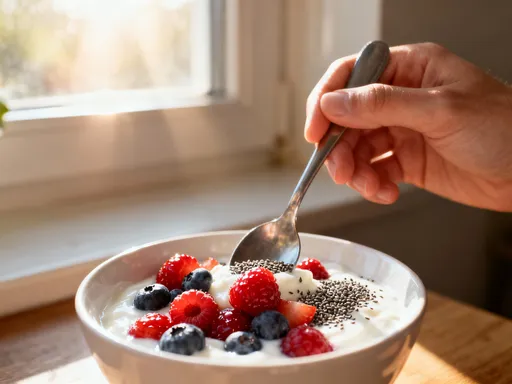
I didn’t want to follow a strict diet or cut out entire food groups. My goal was to make changes I could live with long-term. The first shift was rethinking my breakfast. I used to eat sugary cereals or toast with jam — quick, easy, and comforting. But these are high in refined carbohydrates, which spike blood sugar and drive up triglycerides. I switched to oatmeal made with steel-cut oats, topped with berries, chia seeds, and a sprinkle of cinnamon. The fiber in oats helps lower LDL by binding to cholesterol in the digestive tract and removing it from the body.
Lunch was another opportunity. Instead of deli sandwiches on white bread with potato chips, I started packing salads with leafy greens, grilled chicken, chickpeas, cucumbers, and a dressing made from olive oil and lemon juice. Olive oil is rich in monounsaturated fats, which studies show can improve HDL and reduce LDL oxidation — a key step in plaque formation. I also began adding more legumes, like lentils and black beans, to my meals. These are high in soluble fiber, which has been shown to modestly lower LDL cholesterol.
Dinner changes were gradual. I reduced red meat to once a week and replaced it with fatty fish like salmon, mackerel, or sardines twice a week. These are excellent sources of omega-3 fatty acids, which have been proven to lower triglycerides and reduce inflammation. Even small portions — about 3.5 ounces — can make a difference over time. I also started cooking with more herbs and spices instead of heavy sauces, which often hide sugar and unhealthy fats.
Snacks used to be a weak spot. I’d reach for crackers, cookies, or flavored yogurt — all loaded with added sugars and refined grains. Now, I keep sliced apples with almond butter, raw nuts, or plain Greek yogurt with a drizzle of honey and walnuts. Nuts, especially almonds and walnuts, have been studied extensively for their lipid-lowering effects. Just a small handful (about 1.5 ounces) daily can improve cholesterol profiles. I also read labels more carefully, avoiding products with hydrogenated oils or high-fructose corn syrup, both of which negatively impact triglycerides.
The key was substitution, not elimination. I didn’t feel deprived because I wasn’t cutting out flavor or satisfaction — I was upgrading my choices. Over six months, these food swaps became second nature. I wasn’t counting calories; I was building a plate that supported my health without sacrificing enjoyment.
Movement as Medicine: Small Steps, Big Shifts
When I thought about exercise, I used to picture intense gym sessions and running marathons — things that felt out of reach with a busy schedule. But I learned that consistency matters far more than intensity. I started with something simple: a 15-minute walk after dinner. At first, it felt like barely anything. But over time, I noticed I had more energy, slept better, and even looked forward to those quiet moments outside.
Within a few weeks, I extended my walks to 30 minutes most days. Research shows that regular aerobic activity can raise HDL cholesterol and lower triglycerides. It also improves insulin sensitivity, which helps regulate lipid metabolism. The best part? You don’t need to run. Brisk walking, cycling, swimming, or dancing all count. The American Heart Association recommends at least 150 minutes of moderate-intensity aerobic activity per week — that’s just 30 minutes, five days a week.
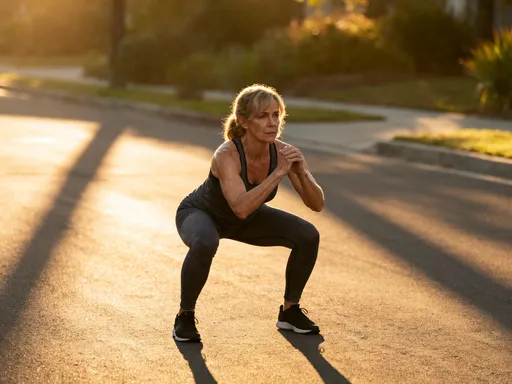
I also added strength training twice a week. At first, I used bodyweight exercises like squats, lunges, and push-ups at home. Later, I incorporated light dumbbells. Building muscle increases resting metabolic rate, meaning your body burns more calories even at rest. Muscle tissue also improves glucose uptake, reducing the amount of sugar converted into triglycerides. Studies suggest that combining aerobic and resistance training leads to greater improvements in lipid profiles than either alone.
But movement isn’t just about formal exercise. I made small changes throughout the day: parking farther from store entrances, taking the stairs instead of the elevator, standing while talking on the phone, and doing quick stretches during TV commercials. These 'incidental' movements add up. Sitting for long periods has been linked to poor lipid metabolism, so breaking up sedentary time is crucial. Even standing for five minutes every hour can make a difference.
The science is clear: physical activity enhances the function of HDL, helping it remove cholesterol more effectively. It also reduces inflammation and improves blood vessel health. I didn’t transform overnight, but within four months, my triglycerides had dropped by nearly 40 points. My doctor noticed — and so did I. I felt stronger, more alert, and more in control.
Sleep, Stress, and Your Liver: The Hidden Triggers
I didn’t realize how much my sleep and stress levels were affecting my lipids until I started tracking them. I was averaging about six hours a night, often staying up late to finish chores or scroll through my phone. I also carried constant low-level stress from work, family responsibilities, and never feeling 'caught up.' What I didn’t know was that both poor sleep and chronic stress can directly raise triglyceride levels.
During sleep, your body repairs tissues, balances hormones, and processes fats. When you’re sleep-deprived, insulin sensitivity drops, leading to higher blood sugar and increased fat storage — including triglycerides. Studies show that people who sleep less than six hours per night are more likely to have elevated lipids and a higher risk of heart disease. Stress triggers the release of cortisol, a hormone that increases blood sugar and promotes fat accumulation, particularly in the abdomen. Visceral fat is metabolically active and contributes to inflammation and lipid imbalances.
I decided to prioritize sleep like I would a doctor’s appointment. I set a bedtime alarm, turned off screens an hour before bed, and created a calming routine: reading, light stretching, and herbal tea. Within weeks, I was consistently getting seven to eight hours. My energy improved, and I noticed my cravings for sweets decreased — a sign that my blood sugar was more stable.
For stress, I started small. I practiced deep breathing for five minutes each morning — inhaling slowly through the nose, holding for a few seconds, and exhaling fully. I also scheduled short breaks during the day to step outside or sit quietly. Digital detox became part of my evening routine: no emails, no social media after 8 PM. These habits didn’t eliminate stress, but they helped me manage it better.
The liver plays a central role in lipid metabolism, producing about 75% of the cholesterol in your body. When you’re stressed or sleep-deprived, the liver works harder and may produce more triglycerides and LDL. By improving sleep and reducing stress, I was giving my liver a break. My follow-up blood test showed improvements not just in triglycerides, but in overall liver enzymes, indicating better metabolic function.
Tracking Progress Without Obsession
After three months of consistent changes, I scheduled a follow-up lipid panel. I was nervous — what if nothing had changed? But the results showed my total cholesterol had dropped to 210 mg/dL, LDL to 130 mg/dL, and triglycerides to 150 mg/dL. HDL had inched up slightly. It wasn’t perfect, but it was progress. More importantly, I felt different — less sluggish, more focused, and emotionally steadier.
I learned to track progress in ways beyond the lab report. I paid attention to non-scale victories: I could walk up stairs without getting winded, I had more energy in the afternoons, and my clothes fit better. My skin looked clearer, and I wasn’t reaching for snacks every few hours. These small wins kept me motivated without fixating on numbers.
I continued to get blood tests every six months, using them as feedback rather than judgment. If numbers stalled, I’d review my habits — had I slipped on sleep? Was I eating more processed foods? The data helped me stay accountable. But I also knew when to seek professional guidance. After a year, my LDL was still borderline high, so I discussed options with my doctor. We agreed on a low-dose statin as a temporary support while I continued my lifestyle efforts. This wasn’t failure — it was smart, personalized care.
The goal wasn’t perfection. There were days I ate cake at a birthday party or skipped a walk due to rain. But consistency over time mattered more than occasional slips. Health isn’t an all-or-nothing journey. It’s about making better choices more often. I also reminded myself that everyone’s body responds differently. Genetics play a role, and some people need medication despite doing everything right. That’s okay. The point is to do what you can, within your reality.
Building a Lifestyle That Lasts: Prevention as a Daily Choice
Sustainability was my top priority. I didn’t want to go back to old habits, so I focused on making healthy choices convenient. I started meal prepping on Sundays — chopping vegetables, cooking grains, and portioning snacks. Having healthy options ready made it easier to resist convenience foods during busy weeks. I also rearranged my kitchen: placing fruit on the counter, keeping nuts in easy-to-reach jars, and storing sweets in less visible places.
Social situations were trickier. Family gatherings often revolved around rich foods and desserts. Instead of avoiding them, I planned ahead. I’d eat a small, healthy snack before events so I wouldn’t arrive starving. I filled my plate with vegetables and lean proteins first, then allowed myself a small portion of something indulgent — and truly enjoyed it. I stopped seeing food as 'good' or 'bad' and started viewing it as part of a balanced life.
Holidays used to be a free pass for overeating. Now, I set intentions: enjoy traditions, but stay mindful. I take walks with family after meals, offer to bring a healthy dish, and focus on connection rather than consumption. These shifts didn’t make celebrations less joyful — they made them more meaningful.
Prevention, I’ve learned, is not a one-time act. It’s the accumulation of daily decisions: choosing water over soda, taking the stairs, cooking at home, winding down at night. Each choice is a vote for the kind of life I want — one filled with energy, clarity, and resilience. I no longer see health as a destination, but as an ongoing practice.
Lowering lipids isn’t just about avoiding illness — it’s about investing in vitality. I didn’t need drastic measures, just consistent, informed choices. This journey taught me that prevention isn’t passive; it’s daily action. Your body responds when you listen. Always consult your doctor, but know this: you have more power than you think.