How I Finally Broke Free from Smoking and Cut Back on Alcohol—For Real
Quitting smoking and drinking less used to feel impossible—like trying to climb a mountain with no path. I’ve been there, stuck in the cycle of stress, cravings, and guilt. But what changed? A simple, consistent exercise routine that didn’t just boost my energy—it reshaped my habits. This isn’t about willpower. It’s about replacing old patterns with something stronger. And it actually works. For years, I told myself I’d quit ‘when the time was right,’ but the truth is, the time never felt right. It wasn’t until I began moving my body regularly that I found a sustainable way out of the cycle. This is not a story of overnight success. It’s a real-life journey grounded in science, small choices, and lasting change.
The Breaking Point: When Habits Hit Hard
There was a moment—no dramatic incident, just a quiet realization—that marked the beginning of change. I was walking up a flight of stairs and had to stop halfway, gasping for air. At 42, I shouldn’t have been that out of breath. That moment wasn’t just about fitness; it was a mirror reflecting years of choices. The morning cough that had become routine, the sluggishness after even one drink, the way my clothes fit tighter while my energy felt thinner—these weren’t isolated issues. They were symptoms of a lifestyle that no longer served me. Smoking, once a social crutch, had become a daily trap. Alcohol, which used to unwind my stress, now seemed to deepen it. I’d reach for a cigarette after an argument or pour a drink after work without thinking. These weren’t pleasures anymore—they were reflexes, automatic responses to discomfort.
The emotional toll was just as heavy. There was a constant undercurrent of guilt, a voice in the back of my mind that said, You know this isn’t good for you. I’d promise myself I’d cut back on Monday, only to break that promise by Tuesday night. The cycle was exhausting. What finally shifted was the understanding that I wasn’t just managing habits—I was managing my health, my future, and my ability to show up fully for my family. I realized that waiting for motivation to strike wasn’t working. I needed a system, not a spark. And that system had to be something I could stick with, even on the days I didn’t feel like it. The answer didn’t come from another diet or detox—it came from movement.
Why Exercise? The Science Behind Movement and Cravings
It might sound too simple: exercise to quit smoking and drink less. But the science behind it is solid. Physical activity influences the brain’s reward system in ways that directly counteract addiction. When we smoke or drink, we’re often chasing a dopamine boost—a temporary feeling of pleasure or relief. Over time, the brain adapts, requiring more of the substance to achieve the same effect. This creates a cycle of dependence. Exercise, particularly aerobic activity, also increases dopamine, but in a healthier, more balanced way. Studies have shown that moderate-intensity exercise can reduce nicotine cravings and withdrawal symptoms. One review published in the journal Addiction found that even a single 10-minute walk could significantly decrease the urge to smoke.
But it’s not just about dopamine. Exercise also improves mood regulation by increasing levels of endorphins and serotonin—chemicals that help reduce anxiety and depression, both of which are common triggers for smoking and drinking. A 2017 study in Frontiers in Psychiatry highlighted that regular physical activity enhances impulse control, making it easier to resist unhealthy urges. The prefrontal cortex, the part of the brain responsible for decision-making and self-control, becomes more active with consistent exercise. This means that over time, the brain literally becomes better at saying no. Exercise isn’t a magic cure, but it’s a powerful tool that changes the internal environment where cravings thrive.
Another key factor is routine. Addictive behaviors often flourish in unstructured time—those moments of boredom or stress when we reach for a familiar escape. Exercise introduces structure. It creates a new ritual, a predictable and positive way to respond to discomfort. Instead of numbing out, you’re activating your body and mind. This shift doesn’t happen overnight, but with repetition, the brain begins to associate movement with relief, not just effort. That’s the real transformation: when exercise stops being a chore and starts being a refuge.
Starting Small: My First Steps (And Stumbles)
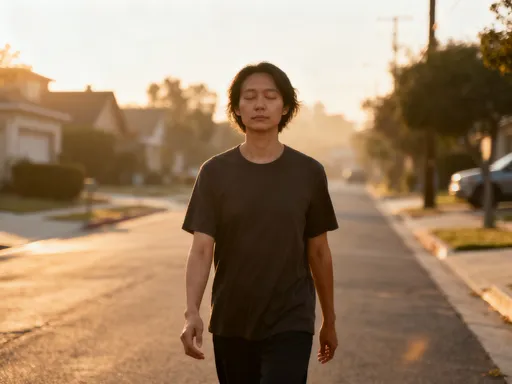
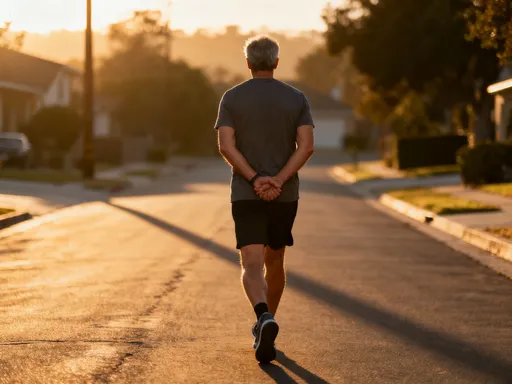
I didn’t start with hour-long workouts or early morning runs. My first step was a 10-minute walk around the block after dinner. Some days, I didn’t feel like it. Some days, I didn’t do it at all. And that was okay. The goal wasn’t perfection—it was consistency. I learned quickly that motivation fades, but habit persists. What helped was linking the walk to an existing routine: after the dishes, before the evening news. This made it easier to remember and harder to skip. On days when stress spiked, I’d feel the familiar pull to light a cigarette. Instead, I’d step outside and walk—just five minutes. Sometimes, that was enough to let the craving pass.
There were setbacks. One rainy Tuesday, after a frustrating call with work, I almost drove to the store for cigarettes. I didn’t buy them, but I sat in the car, shaking, for ten minutes. That night, I wrote in my journal: I don’t want to feel like this anymore. The next morning, I went for a walk before sunrise. It wasn’t heroic, but it was honest. What I discovered was that the act of moving—even a little—gave me a sense of agency. I wasn’t just waiting for the craving to pass; I was doing something about it. Over time, I replaced the smoke break with a stretch break, the post-dinner drink with a short walk. These weren’t grand gestures, but they added up. The more I moved, the less I wanted to smoke or drink. It wasn’t willpower—it was substitution. I was filling the space that used to belong to bad habits with something that made me feel better.
The Routine That Stuck: A Realistic Weekly Plan
After a few weeks of walking, I wanted to build something more structured. I designed a plan that fit my life, not the other way around. It wasn’t about pushing limits; it was about showing up. My weekly routine looked like this: Monday, 20-minute brisk walk; Tuesday, 15 minutes of bodyweight exercises (squats, lunges, push-ups against the wall); Wednesday, rest or gentle stretching; Thursday, 25-minute walk with intervals (1 minute faster pace, 2 minutes recovery); Friday, 20 minutes of light cardio—sometimes dancing in the living room, sometimes using an old stationary bike; Saturday, a longer walk or hike if possible; Sunday, rest and reflection.
The key was timing. I scheduled workouts for right after work, when I used to pour a drink and light up. That hour used to be my decompression ritual. Now, it’s my reset. Instead of numbing out, I’m recharging. I didn’t need a gym or special equipment. Everything I did could be done at home or outdoors. For those just starting, I recommend beginning with three days a week—just 10 to 15 minutes. Focus on consistency, not intensity. If you’re not used to moving, even standing up and stretching every hour helps. The goal is to build the habit, not burn calories. Over time, the body adapts, and the mind follows. You start to notice changes: you’re less winded climbing stairs, your sleep improves, your mood stabilizes. These aren’t just side effects—they’re proof that the system is working.
How Movement Changed My Mindset
The most unexpected shift wasn’t physical—it was mental. At first, exercise felt like an obligation, something I had to do. But after a few months, something changed. I started looking forward to my walks. I noticed the trees budding in spring, the way the light hit the sidewalk in the evening. I began to feel a sense of pride, not because I was fit, but because I was showing up for myself. That mindset bled into other areas. When I felt stressed, I didn’t reach for a drink—I put on my shoes. When I was bored, I didn’t light a cigarette—I did a few minutes of stretching. The old triggers were still there, but my response had changed.
Sleep improved first. I was falling asleep faster and waking up feeling more rested. That made a huge difference in my mood and energy levels. With better sleep came more mental clarity. I was less irritable, more patient with my family. I noticed my skin looked clearer, my eyes brighter. These subtle wins built confidence. I wasn’t just quitting bad habits—I was building a better version of myself. The desire to smoke didn’t vanish overnight, but it weakened. Now, when I feel a craving, I ask myself: Do I really want that, or do I just need to move? More often than not, movement wins. This isn’t about discipline in the punitive sense. It’s about self-respect. Every time I choose to walk instead of smoke, I’m reinforcing the belief that I’m worth the effort.
Dealing With Triggers: When Stress and Social Pressure Hit
Let’s be honest—triggers don’t disappear. There are still days when stress piles up, when a friend offers a drink, when the thought of a cigarette flickers in the back of my mind. What’s changed is how I respond. I’ve learned to recognize high-risk moments: after an argument, at a party, during long weekends when routine fades. Instead of avoiding them, I plan for them. If I know I’m going to a gathering where others will be drinking, I go with a plan. I might do a short workout beforehand to steady my mood. I bring a sparkling water with lime and treat it like my ‘drink.’ If the urge hits, I excuse myself for a five-minute walk around the block. It’s not dramatic—it’s strategic.
One of the most effective tools has been the ‘reset workout.’ When a tough conversation at work leaves me tense, I don’t go home and reach for a beer. I go to the gym or take a run. The physical exertion burns off the stress hormones, and by the time I’m done, the urge to numb out has passed. This doesn’t mean I never slip. There was a night last winter when I had one drink—just one—but it reminded me how quickly old patterns can reappear. The difference now is that I don’t beat myself up. I acknowledge it, learn from it, and get back on track. Progress isn’t linear. Resilience matters more than perfection. The goal isn’t to never struggle—it’s to have better tools when you do.
Building a Life That Supports Change
Sustaining change requires more than willpower—it requires environment. I cleaned up my space: no ashtrays, no alcohol in the house. I unfollowed social media accounts that glorified drinking. I found a walking group and started spending more time with people who were active. These weren’t drastic moves, but they made a difference. When your surroundings support your goals, it’s easier to stay on track. I also redefined what relaxation means. It used to be a glass of wine and the couch. Now, it’s a walk in the park, a stretch session, or a quiet moment with a book. These activities don’t just pass the time—they restore me.
I track progress differently now. I don’t just look at the scale. I notice how my clothes fit, how I breathe, how I feel. I celebrate non-scale victories: going a full week without a cigarette, sleeping through the night, having energy to play with my kids. These are the real markers of success. I’ve also learned to be patient. This isn’t a 30-day challenge. It’s a lifelong upgrade. Some days are harder than others, but the overall trajectory is forward. The habits that once controlled me now feel distant, like chapters in a book I’ve closed. I’m not perfect, but I’m present. I’m not chasing relief—I’m building a life where I don’t need to escape.
Exercise didn’t just help me quit smoking or cut alcohol—it gave me back control. It’s not about punishment or extreme discipline. It’s about creating a life where healthy choices feel natural. And if I can do it, so can you. The first step isn’t perfection. It’s just moving.