Time Slows Down When You Master These Anti-Aging Truths
As we age, small changes creep in—tired eyes, slower recovery, less bounce in our step. But what if aging isn’t just about time passing, but how we live it? Science now shows that biological aging can be influenced by daily choices. This article explores real, science-backed anti-aging concepts—not miracle cures, but practical shifts in mindset and habit that support long-term vitality and well-being. By understanding the difference between chronological years and biological age, women in their 30s to 50s can take meaningful steps toward feeling stronger, clearer, and more energized at every stage of life.
The Myth of Aging: Why Time Isn’t the Real Enemy
Aging is often seen as an inevitable decline—a slow loss of energy, strength, and resilience. Many accept fatigue, joint stiffness, or memory lapses as unavoidable signs of getting older. However, modern science reveals a more hopeful truth: while chronological age, the number of years since birth, continues forward without pause, biological age—the functional state of our cells and systems—can be shaped by how we live. This distinction is crucial. Two women the same age may have vastly different biological profiles based on lifestyle, stress levels, sleep quality, and nutrition. One may feel vibrant at 50; the other may struggle with low energy at 40. The difference lies not in genetics alone, but in daily habits.
At the cellular level, aging is influenced by three key processes: telomere shortening, oxidative stress, and chronic inflammation. Telomeres are protective caps at the ends of chromosomes that shorten each time a cell divides. When they become too short, cells can no longer replicate efficiently, leading to tissue degeneration. Research shows that factors like chronic stress, poor sleep, and sedentary behavior accelerate this shortening. However, positive lifestyle choices—such as regular physical activity, a nutrient-rich diet, and emotional well-being—have been linked to longer telomeres, suggesting that cellular aging can be slowed.
Oxidative stress occurs when free radicals—unstable molecules produced during normal metabolism and exposure to pollutants—outnumber the body’s antioxidants. Over time, this imbalance damages cells, proteins, and DNA, contributing to visible signs of aging and increased disease risk. Inflammation, especially low-grade chronic inflammation, plays a parallel role. Often called “inflammaging,” this condition silently undermines health, linked to heart issues, joint discomfort, and cognitive changes. The good news is that these processes are not fixed. They respond to diet, movement, sleep, and mindset. By addressing them early and consistently, women can shift their biological trajectory toward greater resilience.
The idea that aging is modifiable transforms how we approach midlife and beyond. Instead of resignation, there is agency. Rather than chasing youth, the goal becomes vitality—feeling strong, clear-minded, and engaged in life. This mindset shift is the foundation of true anti-aging: not denying the passage of time, but optimizing how the body responds to it. The years will pass, but how they are lived determines their impact.
Fueling Longevity: Nutrition That Works With Your Cells
Nutrition is one of the most powerful levers for influencing biological aging. What you eat directly affects cellular function, inflammation levels, and energy production. Rather than focusing on restrictive diets or fleeting trends, the key is to build a sustainable eating pattern that supports long-term health. This means prioritizing whole, minimally processed foods rich in nutrients that protect cells and promote repair. Plant-based foods, in particular, offer a wide array of antioxidants, polyphenols, and fiber that combat oxidative stress and support gut health—both of which are central to slowing aging.
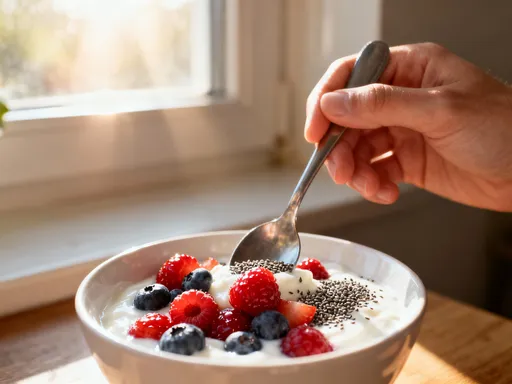
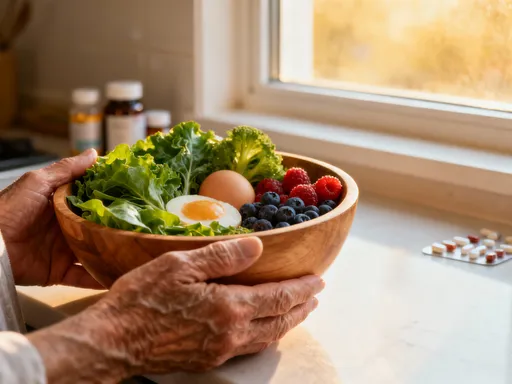
A diverse plant diet—rich in colorful vegetables, fruits, legumes, nuts, seeds, and whole grains—has been consistently linked to longer telomeres and reduced inflammation. Each color in the plant spectrum represents different phytonutrients: red from tomatoes (lycopene), purple from berries (anthocyanins), orange from carrots (beta-carotene), and green from leafy greens (lutein and folate). These compounds neutralize free radicals, support detoxification pathways, and improve cellular communication. The more variety in your meals, the broader the range of protective benefits. Experts recommend aiming for at least 30 different plant foods per week—a goal that encourages exploration and keeps meals interesting.
Equally important is what you limit. Refined sugars and ultra-processed carbohydrates cause rapid spikes in blood glucose, leading to increased insulin production and glycation—a process where sugar molecules attach to proteins like collagen, making them stiff and less functional. This contributes to skin aging and tissue damage over time. Reducing added sugars and choosing complex carbohydrates with a low glycemic index—such as oats, quinoa, and sweet potatoes—helps maintain stable energy and reduces metabolic stress. Additionally, excessive alcohol consumption has been shown to accelerate telomere shortening and impair liver detoxification, so moderation is key.
Another emerging area of research is time-restricted eating, a form of intermittent fasting where food intake is limited to a consistent window each day—typically 8 to 12 hours. This practice allows the body extended periods without digestion, activating cellular repair processes like autophagy, where damaged components are cleared out and recycled. Studies suggest that aligning eating windows with natural circadian rhythms—such as finishing dinner by 7 or 8 p.m.—can improve metabolic health, support weight management, and enhance sleep quality. It’s not about eating less, but about giving the body time to rest and regenerate.
Gut health is also deeply intertwined with aging. The gut microbiome—the trillions of bacteria living in the digestive tract—plays a vital role in immune function, nutrient absorption, and inflammation control. An imbalanced microbiome, often caused by low fiber intake and high processed food consumption, is linked to increased systemic inflammation and even cognitive decline. To support a healthy gut, focus on fiber-rich foods like beans, lentils, apples, and flaxseeds, along with fermented foods such as yogurt, kefir, sauerkraut, and kimchi, which introduce beneficial bacteria. Staying hydrated and managing stress also support digestive balance. Over time, these choices contribute to clearer skin, better energy, and a stronger immune system.
Movement as Medicine: Small Shifts, Big Impact
Physical activity is one of the most effective, yet underutilized, tools for slowing biological aging. Unlike pharmaceuticals or expensive treatments, movement is accessible, free, and deeply transformative at the cellular level. It enhances mitochondrial function—the energy factories within cells—improves circulation, supports joint health, and strengthens the heart and lungs. Even modest increases in daily activity can yield significant benefits, especially when practiced consistently over time. The goal is not intense workouts or performance goals, but sustainable movement that becomes a natural part of daily life.
Walking is one of the simplest and most powerful forms of exercise. Just 30 minutes a day at a moderate pace can improve cardiovascular health, reduce inflammation, and support cognitive function. Brisk walking increases blood flow to the brain, delivering oxygen and nutrients that help maintain mental sharpness. It also stimulates the release of endorphins, natural mood boosters that ease stress and improve sleep. For those with joint concerns, walking on softer surfaces like grass or trails, or using supportive footwear, can make the activity more comfortable. Over time, regular walking builds endurance, improves balance, and enhances overall stamina.
Strength training is equally important, especially as muscle mass naturally declines with age—a process called sarcopenia. After 30, adults lose about 3–5% of muscle mass per decade, which slows metabolism and increases frailty risk. Resistance exercises—using body weight, resistance bands, or light weights—help preserve and even rebuild muscle. Activities like squats, lunges, wall push-ups, and seated rows can be done at home with minimal equipment. Two to three sessions per week are sufficient to maintain strength and support bone density, reducing the risk of fractures. Stronger muscles also improve posture, reduce back pain, and make daily tasks easier, from carrying groceries to playing with grandchildren.
Flexibility and balance should not be overlooked. Stretching routines, yoga, or tai chi improve joint mobility, reduce stiffness, and prevent falls—a major concern as we age. These practices also activate the parasympathetic nervous system, promoting relaxation and reducing stress hormones. Incorporating just 10–15 minutes of gentle stretching or mindful movement each day can enhance comfort and freedom of motion. The key is consistency, not intensity. Finding enjoyable forms of movement—dancing, gardening, swimming—increases the likelihood of long-term adherence.
Equally important is reducing sedentary time. Prolonged sitting, especially more than 8 hours a day, is linked to higher risks of metabolic syndrome, cardiovascular issues, and premature aging. The body was designed to move, and long periods of inactivity disrupt circulation, insulin sensitivity, and muscle tone. Simple strategies can counteract this: standing up every 30–60 minutes, using a standing desk, pacing during phone calls, or doing short stretches while watching TV. These micro-movements add up, keeping the body active and engaged throughout the day. Over time, integrating movement into daily routines becomes second nature, supporting energy, mood, and long-term health.
Sleep: The Silent Rebuilder You’re Probably Neglecting
Sleep is one of the most critical yet undervalued components of healthy aging. While diet and exercise often take center stage, sleep is where the body performs its deepest repair work. During restful sleep, cells regenerate, hormones rebalance, and the brain clears out metabolic waste through the glymphatic system—a process essential for cognitive health. Poor sleep, on the other hand, disrupts insulin sensitivity, increases inflammation, and elevates cortisol levels, all of which accelerate biological aging. For women in midlife, sleep disturbances are common due to hormonal shifts, stress, or lifestyle habits, but they are not inevitable.
Quality sleep—typically 7 to 9 hours per night—supports telomere maintenance, immune function, and emotional regulation. During deep sleep stages, growth hormone is released, aiding tissue repair and muscle recovery. The brain also consolidates memories and processes emotions, contributing to mental clarity and resilience. When sleep is fragmented or insufficient, these processes are impaired, leading to brain fog, irritability, and increased cravings for sugary, high-calorie foods. Over time, chronic sleep deprivation is linked to higher risks of heart disease, type 2 diabetes, and cognitive decline.
Several factors commonly disrupt sleep, many of which can be modified. Exposure to blue light from screens—phones, tablets, TVs—suppresses melatonin, the hormone that signals sleep onset. Using devices within an hour of bedtime can delay falling asleep and reduce sleep quality. Establishing a digital curfew, using night mode settings, or wearing blue light-blocking glasses in the evening can help protect melatonin production. Additionally, caffeine consumption after noon may interfere with sleep for sensitive individuals, as its effects can last 6–8 hours. Limiting intake and switching to herbal teas in the afternoon supports better rest.
Stress and an overactive mind are also major sleep disruptors. Worrying about work, family, or health can keep the nervous system in a state of alertness, making it difficult to wind down. Simple relaxation techniques—such as deep breathing, progressive muscle relaxation, or gentle stretching—can signal the body that it’s time to rest. Creating a consistent bedtime routine, like reading a book, taking a warm bath, or listening to calming music, reinforces the body’s natural sleep-wake cycle. Keeping the bedroom cool, dark, and quiet further enhances sleep hygiene. Over time, these habits train the brain to associate the bed with rest, not stress or screen time.
The benefits of good sleep extend far beyond feeling rested. It supports emotional stability, helping women navigate daily challenges with greater patience and clarity. It also plays a preventive role in long-term health, reducing the risk of chronic conditions associated with accelerated aging. Prioritizing sleep is not a luxury—it’s a foundational pillar of vitality. By making small, consistent changes to evening routines, women can reclaim restful sleep and unlock its powerful rejuvenating effects.
Stress, Mindset, and the Aging Brain
Chronic stress is one of the most insidious accelerators of biological aging. Unlike acute stress, which is temporary and can even be beneficial, chronic stress keeps the body in a prolonged state of fight-or-flight, flooding the system with cortisol and adrenaline. Over time, this hormonal imbalance contributes to inflammation, weakens the immune system, and shortens telomeres. For women managing careers, households, and caregiving responsibilities, stress often becomes a constant background noise—accepted as normal, yet deeply damaging over time. The good news is that stress resilience can be cultivated through simple, science-backed practices.
Mindfulness—the practice of paying attention to the present moment without judgment—has been shown to reduce cortisol levels and improve emotional regulation. Just 10 minutes a day of mindful breathing or body scanning can shift the nervous system from stress mode to rest-and-digest mode. Studies using brain imaging have found that regular mindfulness practice increases gray matter density in areas related to memory, learning, and emotional control. This supports cognitive resilience, helping women stay sharp and adaptable as they age. Mindfulness doesn’t require meditation cushions or silence; it can be practiced while washing dishes, walking, or drinking tea—simply by tuning into the senses and letting go of mental chatter.
Breathing techniques are another powerful tool. Slow, diaphragmatic breathing—inhaling deeply through the nose, allowing the belly to rise, and exhaling slowly—activates the vagus nerve, which calms the nervous system. Techniques like box breathing (inhale for 4, hold for 4, exhale for 4, hold for 4) or extended exhales can be done anywhere and provide immediate relief during stressful moments. Over time, regular practice improves heart rate variability, a marker of stress resilience and cardiovascular health.
Cognitive reframing—changing how you interpret stressful events—also plays a role in aging well. Viewing challenges as temporary and manageable, rather than overwhelming, reduces their physiological impact. Cultivating gratitude, focusing on what’s going well, and practicing self-compassion build emotional strength. Research shows that people with a strong sense of purpose and positive outlook tend to have longer telomeres and lower disease risk. Social connection is equally important. Meaningful relationships, whether with family, friends, or community groups, provide emotional support and reduce feelings of isolation, which are linked to faster biological aging. Making time for conversations, shared meals, or group activities nurtures both the heart and the cells.
Environmental Inputs: What You’re Not Seeing That Affects Aging
While diet, movement, and mindset are well-known factors in aging, environmental influences are often overlooked. The air you breathe, the products you use, and the light you’re exposed to all contribute to cellular health over time. Indoor air pollution, for example, can be more concentrated than outdoor air, especially in tightly sealed homes. Volatile organic compounds (VOCs) from cleaning supplies, air fresheners, and synthetic materials release toxins that increase oxidative stress. Simple changes—using natural cleaning products like vinegar and baking soda, opening windows regularly, and adding indoor plants like spider plants or peace lilies—can improve air quality and reduce exposure.
Similarly, personal care products often contain chemicals that mimic hormones or accumulate in the body. Parabens, phthalates, and synthetic fragrances are common in lotions, shampoos, and cosmetics. While individual exposures may seem small, their cumulative effect over decades can disrupt endocrine function and contribute to inflammation. Opting for cleaner, fragrance-free products with transparent ingredient lists reduces this burden. Reading labels and choosing brands that prioritize safety and sustainability supports long-term health without drastic lifestyle changes.
Blue light exposure, especially in the evening, is another silent factor affecting aging. Beyond disrupting sleep, excessive screen time during the day can contribute to eye strain, headaches, and mental fatigue. Using screen filters, adjusting device brightness, and taking regular breaks following the 20-20-20 rule (every 20 minutes, look at something 20 feet away for 20 seconds) helps protect vision and cognitive function. Creating tech-free zones in the home, especially in bedrooms, encourages presence and relaxation.
These environmental tweaks may seem minor, but their impact is cumulative. Over years, reduced toxin exposure, cleaner air, and balanced light intake support cellular integrity and reduce the body’s repair burden. The goal is not perfection, but awareness and gradual improvement. By shaping a health-supportive environment, women take another step toward slowing biological aging and enhancing daily well-being.
Putting It All Together: Building Your Personal Anti-Aging Blueprint
True anti-aging is not about chasing a single solution but integrating multiple, sustainable habits that work together. The power lies in consistency, not intensity. Rather than overhauling your life overnight, start with small, manageable changes that align with your current routine. Choose one area—nutrition, movement, sleep, or stress—and build from there. For example, begin by adding one extra serving of vegetables to your meals, taking a 10-minute walk after dinner, or setting a bedtime alarm to wind down earlier. These micro-shifts, when repeated daily, create lasting change.
Tracking progress can enhance motivation. Keeping a simple journal to note energy levels, sleep quality, or mood shifts helps identify what works. You may notice that after a week of consistent sleep, your focus improves, or that reducing sugar leads to more stable energy. These subtle wins are powerful indicators of biological improvement, even if they don’t show up on a scale. Celebrating them reinforces positive behavior and builds confidence.
Self-awareness is key. Tune into your body’s signals—when you’re tired, nourished, or stressed. This internal feedback system guides better choices without rigid rules. Some days will be easier than others, and that’s okay. Flexibility and self-compassion are part of the process. The goal is not perfection, but progress toward feeling stronger, clearer, and more alive.
Ultimately, anti-aging is not about looking younger—it’s about living better. It’s having the energy to play with your children or grandchildren, the clarity to make thoughtful decisions, and the resilience to navigate life’s changes with grace. These qualities come not from quick fixes, but from daily choices that honor your body and mind. By mastering the truths of biological aging, you reclaim agency over how time affects you. And in that, time doesn’t stop—but it slows in the way that matters most.