How I Finally Found Balance After Baby — A Real Postpartum Lifestyle Journey
After having my baby, I felt lost — tired, disconnected from my body, and overwhelmed by endless advice. The early weeks were survival mode, but the real challenge came later: rebuilding my life long-term. This isn’t about quick fixes. It’s about real changes that lasted — small habits, mindset shifts, and sustainable choices that helped me heal, regain energy, and feel like *me* again. What I discovered wasn’t a miracle diet or a secret workout, but a quiet evolution in how I approached my health, time, and identity. This journey taught me that postpartum recovery isn’t something you ‘get over’ — it’s something you grow through, one gentle choice at a time.
The Hidden Struggle: Why Postpartum Recovery Lasts Far Beyond Six Weeks
The idea that postpartum recovery wraps up in six weeks is one of the most persistent myths in modern motherhood. For many women, the six-week checkup marks the point at which they’re cleared to resume normal activities, including exercise and sex. Yet, for countless new mothers, this timeline doesn’t reflect reality. Physical healing — from tissue repair and hormonal recalibration to emotional adjustment — often extends far beyond this arbitrary milestone. The body undergoes profound changes during pregnancy and childbirth, and those changes don’t reverse overnight. The uterus, which expanded to hold a full-term baby, must gradually shrink back to its pre-pregnancy size, a process that can take several weeks. Meanwhile, connective tissues like the linea alba — the band of tissue running down the center of the abdomen — may remain stretched or weakened, especially if diastasis recti occurs. These are not flaws, but natural adaptations that require time and care to recover.
Hormonal shifts add another layer of complexity. After delivery, estrogen and progesterone levels plummet dramatically, contributing to mood fluctuations and fatigue. At the same time, the body is adjusting to new demands: producing breast milk, regulating sleep in fragmented cycles, and managing stress in a high-pressure environment. These physiological realities mean that true recovery isn’t measured in weeks, but in months — and for some, even years. Rushing back into intense physical activity or strict dieting before the body is ready can lead to setbacks such as pelvic floor dysfunction, prolonged fatigue, or emotional burnout. The pressure to ‘bounce back’ often comes not from medical guidance, but from cultural expectations that prioritize appearance over healing.
Emotional adaptation is equally important. Many women experience a sense of identity loss after childbirth, as their roles, routines, and bodies change dramatically. The transition to motherhood is a significant life event that requires psychological integration, not just physical recovery. Feelings of isolation, anxiety, or low mood are not signs of failure, but common experiences that deserve attention and compassion. Recognizing that postpartum recovery is a long-term process allows women to approach it with patience and self-kindness. It shifts the focus from speed to sustainability — from how quickly you can return to your old life, to how thoughtfully you can build a new one that honors your current reality.
Rethinking Self-Care: From Bubble Baths to Sustainable Daily Habits
Self-care has become a buzzword, often associated with indulgent moments like scented candles, face masks, or weekend retreats. While these experiences can be soothing, they rarely address the deeper, ongoing needs of postpartum life. For most new mothers, true self-care isn’t about occasional luxuries — it’s about consistent, practical habits that support long-term well-being. The shift begins with redefining self-care not as a reward, but as a daily practice woven into the fabric of motherhood. This means prioritizing actions that replenish energy, protect mental health, and honor the body’s need for rest and nourishment, even in small doses.
One of the most impactful changes I made was focusing on hydration. It sounds simple, but in the haze of newborn care, drinking enough water often falls by the wayside. Yet, dehydration can worsen fatigue, affect milk supply, and contribute to headaches and low mood. Keeping a large water bottle within reach and sipping throughout the day became a non-negotiable habit. Similarly, I learned to redefine rest. Instead of waiting for long stretches of uninterrupted sleep — a rare luxury in early parenthood — I began to value micro-moments of stillness. Lying down while the baby napped, closing my eyes during feeding, or stepping outside for a few deep breaths between tasks all became forms of rest. These moments didn’t erase exhaustion, but they helped prevent it from accumulating into burnout.
Another key shift was releasing the pursuit of perfection. The pressure to maintain a spotless home, prepare elaborate meals, or look put-together each day only added to stress. Letting go of these expectations freed up mental space and energy. I accepted that some days, a frozen meal was perfectly adequate. That a messy living room didn’t reflect my worth. That asking for help wasn’t a sign of weakness, but a necessary act of self-preservation. Sustainable self-care also includes setting boundaries — saying no to social events when I needed rest, limiting screen time to protect sleep, and protecting time for quiet reflection. These choices weren’t selfish; they were essential for maintaining resilience in the face of constant demands.
Movement That Heals: Finding Joy in Postpartum Exercise (Without Pressure)
Exercise after childbirth is often framed as a path to weight loss or regaining a pre-pregnancy body. But when approached with that mindset, movement can become another source of pressure rather than healing. My own journey with postpartum activity began not with fitness goals, but with a desire to reconnect with my body. The first steps — literally — were slow and cautious. I started with short walks around the neighborhood, pushing the stroller and focusing not on pace or distance, but on the rhythm of my breath and the feeling of sunlight on my skin. These walks weren’t workouts; they were moments of grounding, a way to step outside the confines of the house and reset my nervous system.
As weeks passed, I gradually introduced other forms of gentle movement. Postnatal yoga became a cornerstone of my routine. Unlike high-intensity classes, these sessions emphasized breath, alignment, and mindfulness. Poses like cat-cow, child’s pose, and supported bridge helped restore mobility in my spine and pelvis, while also calming my mind. I learned to listen to my body’s signals — when to ease into a stretch and when to back off. This awareness was transformative. It taught me that movement wasn’t about pushing through discomfort, but about honoring my body’s current state.
Equally important was the focus on pelvic floor health. Many women are unaware that the muscles supporting the bladder, uterus, and bowels undergo significant strain during pregnancy and delivery. Weakness or dysfunction in this area can lead to issues like incontinence or pelvic pain. Working with a pelvic floor therapist, I learned how to engage these muscles properly through gentle exercises like kegels and diaphragmatic breathing. These practices weren’t flashy, but they were foundational. They restored a sense of control and strength in a part of the body that had been overlooked for months. Over time, movement evolved from a chore into a source of empowerment — not because I was getting ‘fitter,’ but because I was rebuilding trust with my body.
Fueling Recovery: Eating for Energy, Not Perfection
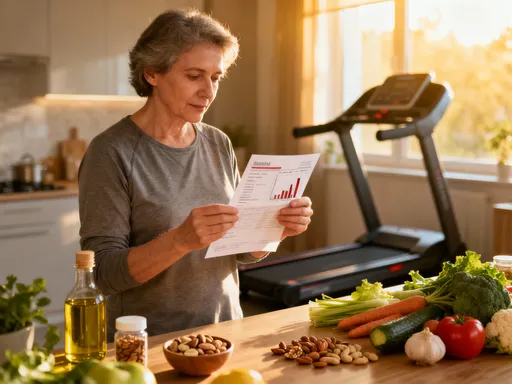
Nutrition plays a quiet but powerful role in postpartum healing, yet it’s often overshadowed by more visible aspects of recovery. In the early months, many women focus on weight loss or ‘getting their body back,’ which can lead to restrictive eating patterns that hinder healing. The truth is, the body needs ample fuel to repair tissues, produce breast milk, and sustain energy through sleepless nights. Rather than chasing dietary perfection, I learned to focus on balance — eating meals that included protein, fiber, healthy fats, and complex carbohydrates. These nutrients work together to stabilize blood sugar, support hormone regulation, and maintain energy levels throughout the day.
One of the most practical changes I made was simplifying meal prep. The idea of cooking elaborate, ‘clean’ meals every night felt overwhelming and unrealistic. Instead, I embraced batch cooking on low-demand days, preparing large portions of soups, stews, or grain bowls that could be reheated throughout the week. I kept healthy snacks like nuts, yogurt, and fruit within easy reach, so I could eat consistently even during chaotic moments. Hydration remained a priority, especially while breastfeeding, which increases daily fluid needs. I also learned to manage cravings with compassion. Late-night hunger pangs or sugar cravings weren’t signs of weakness — they were signals that my body needed energy. Responding with balanced snacks, like apple slices with peanut butter or a small bowl of oatmeal, helped satisfy those urges without guilt.
Another shift was letting go of food rules. The postpartum period is not the time for extreme diets or calorie counting. Depriving myself only led to fatigue, irritability, and eventual overeating. Instead, I adopted a flexible approach — one that allowed for occasional treats while prioritizing nutrient-dense foods most of the time. This balance reduced the emotional charge around food and made eating feel more intuitive. Over time, I noticed that my energy levels improved, my mood stabilized, and my body began to heal at its own pace. Nutrition wasn’t about control; it was about care.
Sleep, Stress, and the Mind-Body Connection
Sleep deprivation is often treated as a temporary phase of new parenthood, something that will resolve once the baby starts sleeping through the night. But for many women, disrupted sleep patterns persist long after the newborn stage, especially if they’re feeding at night, managing childcare alone, or dealing with anxiety. Chronic sleep loss doesn’t just cause tiredness — it affects mood, cognitive function, immune health, and hormonal balance. Elevated cortisol levels from ongoing stress can interfere with healing, contribute to weight retention, and increase the risk of mood disorders. Recognizing the deep connection between sleep, stress, and physical recovery was a turning point in my journey.
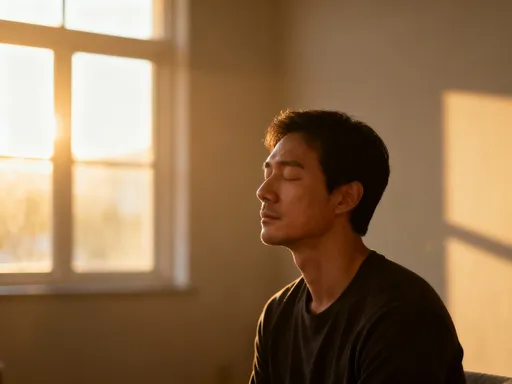
To address this, I began incorporating simple stress-reduction techniques into my daily routine. One of the most effective was breathwork. Taking just five minutes each day to practice slow, deep breathing helped regulate my nervous system and reduce anxiety. I used techniques like box breathing — inhaling for four counts, holding for four, exhaling for four, and holding again for four — which calmed my mind and lowered my heart rate. I also learned the importance of setting boundaries. Saying no to extra commitments, delegating tasks, and protecting time for rest weren’t luxuries — they were necessary for maintaining emotional stability.
Asking for help was another crucial step. Whether it was asking my partner to take a night feeding, accepting a friend’s offer to bring dinner, or hiring a cleaning service for a few weeks, these acts of support reduced my daily load and allowed me to rest more. I also prioritized ‘sleep banking’ — catching extra rest during the day when possible, even if it meant napping while the baby slept. These small adjustments didn’t eliminate fatigue, but they prevented it from spiraling into chronic exhaustion. Over time, I noticed that better sleep and lower stress levels improved my patience, clarity, and overall resilience.
Building a Supportive Environment: How Your Surroundings Shape Recovery
Healing doesn’t happen in a vacuum — it’s deeply influenced by the environment we live in. A cluttered, chaotic home can amplify stress, while a calm, organized space can support recovery. I realized that small changes in my surroundings could have a big impact on my well-being. I started by simplifying my physical space — decluttering countertops, creating designated spots for baby items, and keeping rest areas free of distractions. These changes reduced decision fatigue and made daily tasks feel more manageable. I also restructured routines to protect my energy. Instead of trying to do everything at once, I grouped similar tasks and accepted that some days would be slower — and that was okay.
Communication played a vital role as well. I learned to express my needs clearly to my partner, family, and friends. Instead of waiting for someone to notice I was overwhelmed, I began stating what I needed — whether it was help with laundry, a few hours alone, or simply someone to listen without offering advice. This shift required vulnerability, but it strengthened my relationships and ensured I wasn’t carrying the mental load alone. I also set realistic expectations at home. I let go of the idea that every meal had to be homemade or that the house had to be spotless. Prioritizing peace over perfection created space for connection and rest.
The role of partner support cannot be overstated. When both parents are actively involved in caregiving, the burden is shared, and recovery becomes more sustainable. Simple acts — like taking over a feeding with expressed milk, handling nighttime duties, or managing household chores — can make a significant difference. Childcare help, whether from family, friends, or professionals, also provides essential breathing room. Even a few hours of uninterrupted rest can restore energy and mental clarity. Ultimately, building a supportive environment isn’t about achieving an ideal — it’s about creating conditions that allow healing to unfold naturally.
The Long Game: Embracing Progress Over Perfection
Looking back, I see that postpartum recovery wasn’t a linear process — it was a series of small, uneven steps forward. There were days when I felt strong and capable, and others when I barely made it through. What made the difference wasn’t perfection, but persistence. I learned to celebrate small wins: a walk around the block, a full night’s rest, a moment of laughter with my baby. These moments, though quiet, were profound. They reminded me that healing isn’t about returning to who I was before, but about becoming who I am now — a woman reshaped by experience, deeper in empathy, and more attuned to her own needs.
Letting go of guilt was one of the most liberating shifts. Guilt over not doing enough, not healing fast enough, or not being ‘present’ all the time weighed heavily in the early months. But as I embraced a lifestyle-focused approach — one built on sustainable habits rather than rigid goals — that guilt began to fade. I realized that taking care of myself wasn’t selfish; it was the foundation of being able to care for my child. Every choice to rest, eat well, move gently, or ask for help was an act of love — not just for me, but for my family.
True recovery isn’t a finish line. It’s a transformation — one that continues as life evolves. The habits I built didn’t just help me heal; they became part of who I am. They taught me that strength isn’t about pushing through, but about listening, adapting, and honoring my body’s wisdom. And while the journey was far from easy, it was deeply meaningful. It wasn’t about bouncing back — it was about growing forward, with grace, patience, and a quiet kind of courage that only motherhood can teach.