Youth in Motion: The Science-Backed Exercise Plan That Slows Aging
As I hit my mid-40s, I noticed the little things—slower recovery, less energy, joints creaking like an old door. I wanted to fight back, not just feel older. What if aging wasn’t just about time, but how we move? Turns out, science says yes. Specific exercises don’t just keep you fit—they target aging at a cellular level. This is my journey into the proven ways movement reshapes how we age. Research from institutions like the Mayo Clinic and Harvard T.H. Chan School of Public Health shows that physical activity can slow biological aging, improve cellular repair, and enhance long-term vitality. The good news? It’s never too late to start.
The Hidden Truth About Aging: It’s Not Just Time, It’s Inactivity
Aging is often seen as an inevitable process dictated by the calendar. But science reveals a more empowering truth: how we age is significantly influenced by lifestyle, particularly movement. The term inflammaging—a combination of inflammation and aging—describes the chronic, low-grade inflammation that accumulates in the body over time. Unlike acute inflammation, which helps heal injuries, inflammaging silently damages tissues and is linked to conditions like heart disease, type 2 diabetes, and cognitive decline. Sedentary behavior is a major driver of this process. When the body remains inactive, metabolic waste builds up, immune responses become dysregulated, and cells begin to age faster than they should.
Another key concept is cellular senescence, where cells stop dividing and enter a state of dormancy. While this prevents damaged cells from turning cancerous, these senescent cells secrete harmful molecules that contribute to tissue degeneration and inflammation. Over time, their accumulation accelerates aging. A 2018 study published in Nature Metabolism found that regular physical activity reduces the number of senescent cells in muscle and fat tissue, effectively slowing this biological decline. This means that inactivity isn’t just a lack of movement—it actively speeds up the aging process at a microscopic level.
It’s also essential to distinguish between chronological age—how many years you’ve lived—and biological age, which reflects the functional state of your cells, organs, and systems. Biological age can be measured in several ways, one of the most reliable being telomere length. Telomeres are protective caps at the ends of chromosomes that shorten with each cell division. When they become too short, cells can no longer replicate, leading to aging and disease. Research from the University of California, San Francisco, shows that people who engage in regular physical activity have longer telomeres than their sedentary peers, sometimes by the equivalent of 9 years of biological age. This suggests that exercise can literally turn back the clock on cellular aging.
The takeaway is clear: aging is not a passive process. It is shaped by daily choices. While we cannot stop time, we can influence how our bodies respond to it. Inactivity is not neutral—it is a contributor to accelerated aging. But the reverse is also true: movement is a powerful intervention. By staying active, we send signals to our cells that promote repair, reduce inflammation, and support longevity. The good news is that even moderate changes in activity levels can make a measurable difference. It’s not about extreme workouts or perfection—it’s about consistent, intentional movement.
Movement as Medicine: How Exercise Rewires Your Biology
Exercise is more than a tool for weight management or muscle tone—it functions as a form of medicine that directly influences the body’s internal environment. When you move, your muscles contract, your heart pumps faster, and your lungs work harder. These physical responses trigger a cascade of biological changes that extend far beyond the workout itself. One of the most profound effects is on mitochondria, the energy-producing structures within cells. As we age, mitochondrial function declines, leading to fatigue, slower recovery, and reduced metabolic efficiency. Exercise, especially aerobic and resistance training, stimulates mitochondrial biogenesis—the creation of new mitochondria—helping cells produce energy more effectively and resist age-related decline.
Another critical process activated by exercise is autophagy, often described as the body’s “cleanup crew.” Autophagy refers to the cellular process of breaking down and recycling damaged proteins and organelles. This self-cleaning mechanism is essential for preventing the buildup of cellular debris that contributes to aging and disease. Studies in both animals and humans show that physical activity enhances autophagy, particularly in muscle, liver, and brain tissue. This means that every time you exercise, you’re not just burning calories—you’re giving your cells a deep clean, removing the molecular clutter that accelerates aging.
Exercise also influences telomeres through the activation of telomerase, an enzyme that helps maintain and even lengthen telomeres. A landmark study published in the British Journal of Sports Medicine found that adults who engaged in regular physical activity had significantly higher telomerase activity and longer telomeres compared to sedentary individuals. The most active participants had telomeres that were, on average, 200 base pairs longer—equivalent to a biological age difference of nearly a decade. This isn’t just correlation; researchers believe that exercise-induced reductions in oxidative stress and inflammation are key drivers of this protective effect.
Perhaps one of the most surprising discoveries in recent years is that muscle is not just a mechanical tissue—it acts as an endocrine organ. When muscles contract during exercise, they release signaling molecules called myokines. These proteins travel through the bloodstream and exert wide-ranging effects on other organs. For example, irisin, a myokine released during aerobic exercise, has been shown to convert white fat into brown fat, which burns more energy. Other myokines reduce systemic inflammation, improve insulin sensitivity, and even support brain health by promoting the growth of new neurons in the hippocampus, a region critical for memory and learning.
The implications are profound: every time you move, your muscles are sending beneficial messages to your entire body. This biological communication network explains why exercise is linked to lower risks of chronic diseases, improved mood, sharper cognition, and longer life. It’s not just about looking fit—it’s about creating a physiological environment that resists aging from within. Movement, in this sense, is not a luxury or a chore. It is a fundamental requirement for maintaining health as we grow older. The science is clear: if you want to age well, you must move—consistently, intentionally, and across multiple types of activity.
The 3 Pillars of an Anti-Aging Workout Routine
To truly combat the effects of aging, a well-rounded exercise routine must include three essential components: strength training, aerobic exercise, and mobility work. Each plays a unique and irreplaceable role in maintaining physical function, preventing disease, and supporting cellular health. Relying on just one type of exercise—such as walking or yoga alone—is not enough. The synergy between these three pillars creates a comprehensive defense against age-related decline.
Strength training is critical for preserving muscle mass, which naturally begins to decrease after age 30. According to the American College of Sports Medicine, adults lose 3% to 8% of their muscle mass per decade starting in midlife. This loss, known as sarcopenia, leads to weakness, reduced mobility, and increased frailty. Strength training counters this process by stimulating muscle protein synthesis and maintaining lean tissue. It also supports bone density, reducing the risk of osteoporosis and fractures—a major concern for older adults. Even modest resistance training, performed two to three times per week, can significantly slow or even reverse muscle loss.
Aerobic exercise, or cardio, is equally important. It strengthens the heart and lungs, improves circulation, and enhances metabolic health. Regular cardiovascular activity lowers blood pressure, improves cholesterol profiles, and increases insulin sensitivity, all of which reduce the risk of heart disease, stroke, and type 2 diabetes—leading causes of disability and death in later life. The World Health Organization recommends at least 150 minutes of moderate-intensity aerobic activity per week, such as brisk walking, cycling, or swimming. This level of activity has been consistently linked to longer life expectancy and better quality of life in older adults.
Mobility work—encompassing flexibility, balance, and joint range of motion—is often overlooked but equally vital. As we age, joints stiffen, balance declines, and the risk of falls increases. Mobility exercises help maintain functional independence, allowing individuals to perform daily tasks like climbing stairs, bending, or reaching without pain or fear of injury. Practices like stretching, yoga, and tai chi improve neuromuscular coordination, enhance proprioception (the body’s sense of position), and reduce muscle stiffness. These benefits extend beyond physical function—studies show that better balance and flexibility are associated with improved cognitive performance and lower rates of depression in older adults.
Together, these three pillars form a complete anti-aging strategy. Strength builds resilience, cardio enhances endurance, and mobility ensures agility. Neglecting any one component creates gaps in protection. For example, someone who only does cardio may have a strong heart but weak muscles and poor balance. Someone who only lifts weights may gain strength but miss out on cardiovascular and metabolic benefits. The most effective approach integrates all three, creating a balanced routine that supports long-term health and vitality.
Strength Training: Build Muscle, Build Youth
Strength training is one of the most powerful tools for slowing the aging process. Far from being just for athletes or bodybuilders, it is essential for everyone, especially as we age. Muscle is metabolically active tissue—it burns calories even at rest, regulates blood sugar, and supports joint stability. When muscle mass declines, metabolism slows, blood sugar control worsens, and the risk of injury increases. Strength training helps preserve and even rebuild muscle, effectively turning back the clock on one of the most visible signs of aging.
One of the most significant benefits of resistance training is its impact on bone health. As we age, bone density decreases, increasing the risk of osteoporosis and fractures. Weight-bearing exercises like squats, lunges, and push-ups place gentle stress on bones, stimulating the formation of new bone tissue. This process, called bone remodeling, helps maintain skeletal strength and reduces fracture risk. For women, who are at higher risk of osteoporosis after menopause, strength training is especially important. Studies show that postmenopausal women who engage in regular resistance training can increase bone mineral density and reduce bone loss over time.
Strength training also plays a crucial role in metabolic health. Muscle tissue is highly sensitive to insulin, the hormone that regulates blood sugar. As muscle mass decreases, insulin sensitivity declines, increasing the risk of insulin resistance and type 2 diabetes. Resistance training improves insulin sensitivity, helping the body manage glucose more effectively. A 2020 review in Diabetes Care found that strength training reduced HbA1c levels—a marker of long-term blood sugar control—in people with type 2 diabetes, sometimes as effectively as medication.
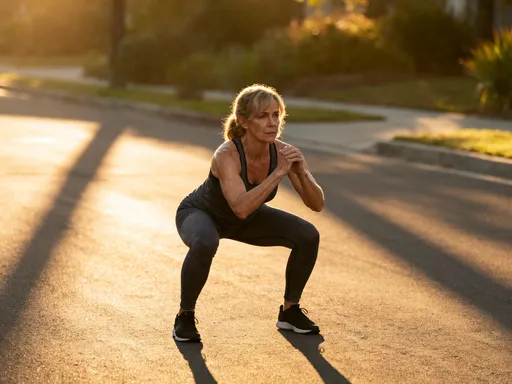
For beginners, strength training doesn’t require a gym or expensive equipment. Bodyweight exercises like squats, push-ups (modified on the knees if needed), and planks are excellent starting points. Resistance bands and dumbbells can be used at home for added challenge. The key principle is progressive overload—gradually increasing the difficulty of exercises over time by adding repetitions, sets, or resistance. This signals the muscles to adapt and grow stronger. A simple routine might include two to three sessions per week, focusing on major muscle groups: legs, back, chest, shoulders, and core.
Safety is important, especially for those new to exercise or managing chronic conditions. Proper form is more important than lifting heavy weights. Starting with lighter resistance and focusing on controlled movements reduces the risk of injury. For individuals with joint issues, low-impact options like seated resistance exercises or water-based strength training can be effective. The goal is not to achieve a certain look, but to build functional strength that supports independence and quality of life. When done consistently, strength training doesn’t just build muscle—it builds confidence, energy, and resilience.
Cardio That Counts: Zone 2 and HIIT for Longevity
Not all cardio is created equal. To maximize anti-aging benefits, it’s important to understand the two most effective forms: Zone 2 training and high-intensity interval training (HIIT). Each works through different physiological mechanisms and offers unique advantages for heart health, metabolism, and cellular function.
Zone 2 cardio refers to moderate-intensity exercise performed at 60% to 70% of your maximum heart rate. This is the intensity where you can speak in full sentences but not sing—commonly experienced during brisk walking, light jogging, or steady cycling. The primary benefit of Zone 2 training is mitochondrial development. Because this intensity relies heavily on fat for fuel, it trains the body to become more efficient at using oxygen and producing energy. Over time, this leads to increased mitochondrial density and improved endurance. Athletes and longevity experts alike emphasize Zone 2 training as a cornerstone of long-term health because it builds aerobic capacity without excessive stress on the body.
HIIT, on the other hand, involves short bursts of intense effort—such as sprinting or fast cycling—followed by periods of rest or low-intensity recovery. A typical session might include 30 seconds of all-out effort followed by 1 to 2 minutes of rest, repeated for 10 to 20 minutes. Despite its brevity, HIIT has powerful effects on cardiovascular and metabolic health. It improves VO2 max (the body’s ability to use oxygen), enhances insulin sensitivity, and increases growth hormone release, all of which support youthfulness. Research shows that even 10 to 15 minutes of HIIT two to three times per week can produce significant improvements in fitness and metabolic markers.
Both Zone 2 and HIIT stimulate mitochondrial biogenesis, but through different pathways. Zone 2 promotes gradual, sustainable improvements, while HIIT delivers rapid adaptations. For optimal results, experts recommend combining both. A weekly routine might include three days of Zone 2 cardio (such as a 45-minute walk or bike ride) and one to two sessions of HIIT (10–20 minutes). This balance ensures cardiovascular health, fat metabolism, and cellular resilience without overtraining.
The World Health Organization’s guidelines of 150 minutes of moderate or 75 minutes of vigorous activity per week provide a solid framework. The key is consistency and enjoyment. Choosing activities you like—dancing, hiking, swimming—increases the likelihood of sticking with them. Cardio should not feel like punishment. When done right, it leaves you energized, not exhausted. Over time, regular cardiovascular exercise doesn’t just extend life—it enhances the quality of those years by keeping the heart strong, the mind sharp, and the body capable.
Flexibility & Balance: The Forgotten Anti-Aging Tools
While strength and cardio often take center stage, flexibility and balance are equally important for healthy aging—yet they are frequently neglected. As we age, connective tissues stiffen, joints lose range of motion, and balance deteriorates. These changes increase the risk of falls, limit mobility, and reduce independence. Incorporating daily mobility work is not just about preventing injury—it’s about preserving the ability to live fully and actively.
Flexibility refers to the range of motion around a joint. Regular stretching, especially dynamic stretching before activity and static stretching after, helps maintain muscle length and joint health. Tight hamstrings, hips, or shoulders can lead to poor posture, back pain, and difficulty with everyday movements. Yoga and tai chi are particularly effective because they combine stretching with breath control and mindfulness. Studies have shown that regular yoga practice improves flexibility, reduces inflammation markers, and lowers stress hormones like cortisol—supporting both physical and mental well-being.
Balance is equally critical. Poor balance is a leading predictor of falls, which are a major cause of injury and hospitalization in older adults. Simple exercises like standing on one leg, heel-to-toe walking, or using a balance board can significantly improve stability. These drills enhance proprioception—the body’s ability to sense its position in space—which declines with age. Improved proprioception not only prevents falls but also supports coordination and agility in daily activities.
Emerging research also links mobility and balance training to brain health. The cerebellum, which controls balance and coordination, remains highly active during these exercises. Studies suggest that regular balance training can improve cognitive function, particularly in tasks requiring attention and executive control. This mind-body connection reinforces the idea that physical fitness is inseparable from mental fitness. By maintaining flexibility and balance, we support not just our bodies, but our brains.
A practical approach includes 10 to 15 minutes of daily mobility work. This might involve a morning stretch routine, a yoga session twice a week, or balance exercises while brushing your teeth. The goal is consistency, not intensity. Over time, these small efforts compound, preserving joint health, reducing stiffness, and maintaining independence well into later life.
Making It Stick: Designing a Realistic, Sustainable Routine
Knowing what to do is only half the battle—the real challenge is making it a lasting habit. The most effective anti-aging exercise plan is one you can stick with for years, not weeks. Sustainability comes from realism, enjoyment, and gradual progression. Start where you are, not where you think you should be. A 20-minute walk three times a week is far more valuable than an intense hour-long workout you abandon after a week.
A balanced weekly plan might include: two days of strength training (bodyweight or resistance), three days of cardio (a mix of Zone 2 and HIIT), and daily mobility work. This doesn’t have to happen all at once—short sessions throughout the day can be just as effective. For example, 10 minutes of stretching in the morning, a 20-minute walk at lunch, and a 15-minute strength routine in the evening adds up to meaningful movement without overwhelming your schedule.
Tracking progress should go beyond the scale. Energy levels, sleep quality, mood, and ease of daily tasks are better indicators of success. Can you carry groceries more easily? Do stairs feel less taxing? These are signs that your body is responding. Over time, you may also notice improved strength, endurance, and flexibility—measurable wins that reinforce motivation.
Adjust the routine as you age or as life changes. Joint pain, injuries, or health conditions may require modifications, not abandonment. Working with a physical therapist or certified trainer can help tailor exercises to your needs. Always consult a healthcare provider before starting a new program, especially if you have heart disease, diabetes, or other chronic conditions.
Consistency matters more than intensity. Missing a day is not failure—getting back on track is success. View exercise not as punishment for eating or a chore to check off, but as a daily gift to your future self. Each movement is an investment in strength, independence, and vitality. Over time, these small choices add up to a life of greater freedom and resilience.
Aging Well Is a Practice, Not a Lottery
Aging is not a fixed fate. While we cannot stop the passage of time, we have far more control over how we age than we often realize. Exercise is not just about fitness—it is a biological intervention that slows cellular aging, reduces inflammation, and enhances overall function. The science is clear: movement reshapes the body at the deepest level, from telomeres to mitochondria to the brain.
The three pillars—strength, cardio, and mobility—work together to preserve independence, prevent disease, and support mental clarity. This is not about achieving a certain appearance or competing with others. It is about living with strength, energy, and confidence at every stage of life. Whether you’re in your 40s, 50s, or beyond, it’s never too late to start. Every step, every stretch, every lift is a step toward a healthier, more vibrant future.
View exercise not as a burden, but as a form of self-respect—a daily commitment to your well-being. By moving regularly, you are not fighting aging. You are choosing to age well. And that is a practice worth embracing.