How I Finally Learned to Ride the Waves of My Emotions—And Found Calm That Lasts
For years, I thought managing emotions meant pushing them down or waiting for them to pass. But constant stress, mood swings, and burnout taught me that short fixes don’t work. True emotional balance isn’t about control—it’s about connection. This is the real, long-term journey I took to regulate my emotions naturally, improve my mental resilience, and build lasting well-being—no quick fixes, just honest progress. It wasn’t a sudden revelation, but a gradual shift built on daily awareness, small choices, and deep self-compassion. What began as a struggle to keep up with life’s emotional demands became a path toward inner strength, clarity, and a calm that endures even in uncertain times.
The Breaking Point: When Emotions Take Over
There was a time when a simple phone call could send my heart racing. A delayed response from a friend, a change in plans, or an unexpected email would trigger a wave of anxiety that lasted for hours. I didn’t understand why I reacted so strongly. I prided myself on being capable and composed, yet emotionally, I felt like I was always one step away from losing control. My days were marked by mood swings—moments of energy followed by sudden crashes of fatigue and irritability. I would snap at my children over small things, then spend the rest of the evening feeling guilty and drained. I wasn’t living; I was reacting.
I believed that managing emotions meant staying positive at all costs. I tried affirmations, avoided difficult conversations, and told myself to “just get over it.” But suppression only worked temporarily. Emotions don’t disappear when ignored—they accumulate. Over time, the pressure built until I reached a breaking point. One evening, after a minor disagreement with my spouse, I burst into tears and couldn’t stop. It wasn’t about the argument. It was about months—maybe years—of unprocessed stress, unmet needs, and emotional exhaustion. That night, I realized something had to change. I couldn’t keep pretending that pushing feelings down was the same as managing them.
What I had mistaken for strength—emotional stoicism—was actually a barrier to true well-being. The idea that we should always be positive is not only unrealistic, it’s harmful. Emotions are not problems to be solved; they are signals. They tell us when we’re overwhelmed, when we need rest, when a boundary has been crossed. Trying to maintain a constant state of positivity ignores the full spectrum of human experience and prevents us from developing real emotional resilience. I learned that emotional regulation isn’t about achieving a perfect mood every day. It’s about building the capacity to move through difficult emotions without being consumed by them. It’s not perfection—it’s sustainability.
What Emotional Regulation Really Means (And What It Doesn’t)
Emotional regulation is often misunderstood. Many people think it means never getting upset, angry, or sad. But that’s not regulation—it’s suppression. True emotional regulation is the ability to recognize what you’re feeling, understand why you’re feeling it, and respond in a way that supports your well-being. It’s not about eliminating emotions; it’s about changing your relationship with them. Think of it like tending a garden. You don’t ignore the weeds or pretend they don’t exist. You notice them, pull them gently, and create conditions for healthier plants to grow. Emotions are like that—they need attention, not denial.
From a scientific perspective, emotional regulation involves several parts of the brain working together. The amygdala acts as an alarm system, detecting threats and triggering emotional responses like fear or anger. The prefrontal cortex, located in the front of the brain, helps us pause, reflect, and choose how to respond. When stress is high or we’re overwhelmed, the amygdala can override the prefrontal cortex, leading to impulsive reactions. This is why we sometimes say things we regret or shut down during conflict. Emotional regulation strengthens the connection between these brain regions, allowing us to respond more thoughtfully even under pressure. The good news is that this ability can be developed at any age through consistent practice.
One of the most important shifts in my journey was realizing that long-term emotional health doesn’t come from quick fixes. There’s no pill, app, or five-minute hack that can rewire a lifetime of emotional patterns. Lasting change begins with awareness. Without noticing how we feel and what triggers us, we can’t make meaningful adjustments. Awareness is the foundation. It allows us to catch ourselves before we spiral, to recognize early signs of stress, and to intervene before emotions take over. This doesn’t mean analyzing every feeling in depth—it means simply noticing: “I’m feeling tense,” or “My chest feels tight,” or “I’m avoiding this conversation.” These small moments of recognition are the building blocks of emotional resilience.
The Daily Check-In: Building Self-Awareness from the Ground Up
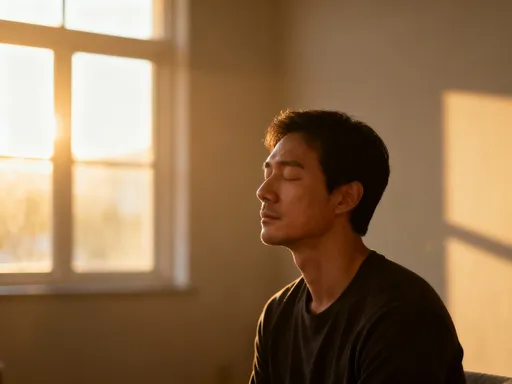
The turning point in my emotional journey came when I started a simple morning routine: a five-minute check-in with myself. No agenda, no pressure—just a quiet moment to ask, “How am I really feeling today?” At first, it felt awkward. I wasn’t used to pausing before jumping into the day’s demands. But over time, this small practice began to shift my emotional baseline. I started noticing patterns—how lack of sleep made me irritable, how certain tasks drained my energy, how unresolved conversations lingered in my body. This wasn’t about fixing anything, just observing.
One of the most effective tools I used was intentional journaling. Instead of writing everything down, I focused on a few key questions: “What am I feeling right now?” “Where do I feel it in my body?” “What might be triggering this?” Writing helped me process emotions before they built up. I didn’t need pages—I often wrote just three sentences. But those sentences created space between feeling and reacting. Another practice was body scanning. I would sit quietly and mentally scan from head to toe, noticing areas of tension, warmth, or discomfort. Our bodies often register emotions before our minds do. A clenched jaw, tight shoulders, or shallow breathing can signal stress long before we consciously recognize it. By tuning in early, I could address the root cause rather than wait for a full-blown emotional reaction.
I also began tracking my mood, but not in an obsessive way. I used a simple scale from one to five and noted it in a notebook each evening. Over weeks, I could see trends—how exercise improved my mood, how isolation made me feel flat, how meaningful conversations lifted my spirits. This wasn’t about achieving a perfect score every day. It was about understanding what supported my emotional health and what didn’t. The real benefit of these practices was prevention. By noticing small shifts—like a slight increase in irritability or fatigue—I could make adjustments before reaching a breaking point. A short walk, an early bedtime, or a heartfelt conversation often made all the difference. Emotional regulation isn’t about managing crises—it’s about creating conditions where crises are less likely to happen.
Rewiring Reactions: The Power of Pause and Response Time
One of the most powerful lessons I learned was the difference between reaction and response. A reaction is automatic—like snapping at someone when stressed or shutting down during conflict. A response is intentional. It comes after a pause, even if that pause is just a few seconds. The space between stimulus and response is where emotional regulation lives. I began practicing techniques to create that space. One of the most effective was box breathing: inhale for four counts, hold for four, exhale for four, hold for four. This simple rhythm calms the nervous system and gives the prefrontal cortex time to engage. I used it before difficult conversations, after receiving upsetting news, and even in the middle of a tense moment with my family.
Another technique that helped was using grounding phrases. When I felt overwhelmed, I would silently repeat, “This will pass,” or “I am safe right now,” or “I can handle this.” These weren’t magical statements—they were reminders that helped me reconnect with the present moment. I also learned the value of naming emotions. Research shows that when we label what we’re feeling—“I’m feeling anxious,” “I’m disappointed”—it reduces the intensity of the emotion. This is known as “affect labeling” or “name it to tame it.” It activates the prefrontal cortex and helps regulate the amygdala’s alarm response. I started doing this internally and, when appropriate, with others. Saying, “I’m feeling a bit overwhelmed right now,” didn’t solve the problem, but it created space for a calmer interaction.
A real-life example of this shift happened at work. I was leading a project, and a key team member missed a deadline. My old reaction would have been frustration and criticism. This time, I noticed my jaw tightening and my breath becoming shallow. I excused myself for a moment, did a quick round of box breathing, and named my emotion: “I’m feeling stressed because this delay affects the timeline.” When I returned, I was able to address the issue calmly and collaboratively. The outcome was better, and the relationship remained strong. This wasn’t about being perfect—it was about creating a pause that allowed for a more thoughtful response. Over time, these small moments of awareness added up to a significant change in how I navigated challenges.
Movement as Medicine: How Physical Habits Shape Emotional Health
I used to think that emotional health was purely mental. I focused on thoughts, beliefs, and coping strategies. But I underestimated the role of the body. Emotions aren’t just in the mind—they’re felt in the body. Anxiety shows up as a racing heart, sadness as heaviness in the chest, anger as tension in the shoulders. The body and mind are deeply connected, and physical habits play a crucial role in emotional regulation. I began to see movement not as a way to burn calories or achieve a certain look, but as a form of medicine for my nervous system.
I didn’t need intense workouts or hours at the gym. What helped most was consistent, gentle movement. A daily 20-minute walk, especially in nature, made a noticeable difference. The rhythm of walking, the fresh air, the changing scenery—these all helped regulate my mood. Stretching in the morning loosened physical tension and signaled to my body that it was safe to relax. I also explored mindful exercise, like yoga and tai chi, which emphasized breath, awareness, and slow, intentional movement. These practices didn’t just improve flexibility—they taught me how to move through discomfort with patience and presence.
What I discovered was that movement helps reset the nervous system. When we’re stressed, our bodies stay in a state of fight-or-flight, even after the threat has passed. Physical activity helps discharge that stored energy and signals safety. Over time, regular movement supported a more balanced emotional baseline. I wasn’t immune to stress, but I recovered faster. I also paid attention to daily rhythm—waking and sleeping at consistent times, eating regular meals, and building in moments of stillness. These small habits created a stable foundation that made emotional regulation easier. The body thrives on predictability, and when the body feels regulated, the mind follows.
Connection and Context: Why Environment Shapes Emotional Patterns
Emotional regulation isn’t just an internal process—it’s deeply influenced by our environment. I began to notice how certain spaces and relationships either fueled or calmed my emotional stress. A cluttered, noisy home made it harder to relax. A workspace with poor lighting and constant interruptions increased my anxiety. Even small things, like the sound of a ticking clock or the glare of a screen, could subtly affect my mood. I realized that I didn’t have to accept these conditions as unchangeable. I could adjust my surroundings to support emotional well-being.
I started making small changes. I introduced soft lighting in the evenings, used noise-canceling headphones when needed, and created a quiet corner for reading and reflection. I decluttered my workspace and added a plant to bring in a sense of calm. I also became more intentional about social interactions. I noticed that some conversations left me energized, while others left me drained. I began setting boundaries—politely declining invitations when I needed rest, limiting time with people who consistently triggered stress, and protecting time for meaningful connection. These weren’t selfish choices—they were acts of self-care that preserved my emotional reserves.
Structured downtime became essential. I scheduled breaks throughout the day, not as afterthoughts, but as non-negotiable parts of my routine. I learned that emotional recovery requires space—time to decompress, reflect, and simply be. This didn’t mean doing nothing. It meant engaging in restorative activities: sipping tea mindfully, listening to calming music, or sitting quietly with a pet. These moments weren’t luxuries—they were necessary for maintaining balance. I also prioritized connection with supportive people. Sharing my struggles with a trusted friend, even briefly, helped me feel less alone. Emotional regulation isn’t a solo journey. It’s shaped by the quality of our relationships, our physical spaces, and the rhythms of our daily lives.
Progress, Not Perfection: Measuring Long-Term Growth
One of the biggest mindset shifts was changing how I measured success. I used to believe that emotional health meant feeling happy and calm all the time. When I didn’t, I felt like I had failed. But that expectation set me up for disappointment. I learned to focus not on the absence of difficult emotions, but on my ability to recover from them. Progress wasn’t about never getting upset—it was about returning to balance more quickly, with less intensity, and with greater self-compassion. I began to see emotional regulation as a skill, not a state. Skills improve with practice, not perfection.
Signs of real improvement showed up in subtle ways. I noticed that I was less reactive in stressful situations. When I did get upset, the emotional wave didn’t last as long. I could name my feelings sooner and take constructive steps to care for myself. I became more patient with myself, recognizing that setbacks are part of the process. I stopped judging my emotions and started listening to them. This shift didn’t happen overnight. It came from consistent effort, small daily practices, and a willingness to be present with discomfort. There were still hard days—days when old patterns resurfaced, when stress felt overwhelming, when I snapped or shut down. But now, I could recognize those moments without shame and return to my practices with kindness.
I also learned to celebrate small wins. Instead of waiting for a dramatic transformation, I acknowledged moments of awareness: “I noticed I was stressed and took a breath,” or “I paused before reacting,” or “I asked for help.” These moments were proof of growth. They showed that I was building resilience, one choice at a time. Emotional regulation isn’t a destination—it’s an ongoing journey. And that’s okay. The goal isn’t to eliminate emotions, but to move through them with greater ease, clarity, and compassion. It’s about creating a life where calm isn’t something I chase, but something I carry within me.
Conclusion: Living with Emotional Resilience
Looking back, the journey to emotional regulation wasn’t about finding a single solution. It was about making small, consistent choices that added up over time. It was about learning to pause, to listen, to respond rather than react. It was about creating a life that supports mental well-being—through movement, awareness, environment, and connection. The calm I once searched for externally is now something I carry within. It’s not perfect, and it’s not constant, but it’s real. It’s the quiet confidence that I can handle whatever comes, not because I’m immune to stress, but because I’ve built the skills to navigate it.
Emotional regulation is a lifelong practice. It requires patience, consistency, and self-trust. There will always be new challenges, new triggers, new emotions to navigate. But each experience becomes an opportunity to deepen the skill. The journey isn’t about achieving a flawless emotional state. It’s about building resilience—the ability to bend without breaking, to feel deeply without being overwhelmed, to live with honesty and compassion. Over time, these small, daily choices create a foundation of unshakable well-being. And that, more than any quick fix, is the true path to lasting calm.