Why I Stuck with a Low-Fat Life — And How It Changed My Health Forever
Eight years ago, I started eating less fat — not for a quick fix, but to meet better health standards long-term. I didn’t know it then, but this small shift led to steady energy, clearer blood work, and real confidence in my daily choices. It wasn’t about cutting out everything delicious, just making smarter ones. If you’ve ever wondered whether a low-fat lifestyle actually works over time, this is my real story — no hype, just honest results. What began as a quiet decision in my kitchen turned into a lasting transformation, not only in how I feel each day but in how I view long-term wellness. This is not a tale of drastic measures or overnight success. It’s about consistency, awareness, and the power of small, informed choices that add up over time.
The Wake-Up Call: Recognizing the Need for Change
For years, I believed I was doing well. I walked daily, avoided fast food, and tried to eat plenty of fruits and vegetables. Yet, by my early 40s, I began noticing a creeping fatigue that no amount of sleep could fix. Mornings felt sluggish, afternoons were marked by mental fog, and even simple household tasks left me winded. I didn’t connect these signs to my diet — until a routine check-up changed everything.
My doctor reviewed my blood panel with a concerned expression. My LDL cholesterol was elevated, triglycerides were nearing the high-risk range, and my fasting glucose was inching upward. While none of these numbers were in emergency territory, the pattern pointed to early metabolic strain — a precursor to heart disease and type 2 diabetes. I was not overweight, nor did I consume what I thought was excessive fat, but the data told a different story. The doctor explained that even moderate intake of saturated fats, combined with processed carbohydrates, could silently impact cardiovascular and metabolic health over time.
This was my wake-up call. I realized that feeling 'fine' wasn’t the same as being truly healthy. I had been relying on outward appearances and short-term habits, not measurable, long-term health standards. Diets came and went — a few weeks of salads here, a juice cleanse there — but nothing stuck, and none addressed the underlying issues revealed in my blood work. I needed a sustainable shift, not a temporary fix. That’s when I committed to understanding what a truly low-fat lifestyle could mean for my body, not just my weight.
What stood out most was the idea of prevention. My family history included heart disease on both sides, and I didn’t want to wait for a crisis to act. The doctor emphasized that small, consistent changes in fat intake — especially reducing saturated and trans fats — could have a significant impact on arterial health and inflammation markers. This wasn’t about punishment or deprivation. It was about aligning my daily choices with science-backed health goals. That moment marked the beginning of a journey rooted not in fear, but in informed care for my long-term well-being.
Debunking Myths: What a Low-Fat Diet Really Means
When I first considered a low-fat approach, I imagined cardboard-tasting meals, endless steamed vegetables, and a life without flavor. Like many, I associated low-fat eating with blandness and restriction. But as I learned more, I realized these assumptions were based on outdated ideas and misleading marketing. A true low-fat lifestyle isn’t about eliminating all fat — it’s about choosing the right kinds and reducing the harmful ones.
Fat is essential. It plays a vital role in hormone production, brain function, and cell membrane integrity. The key is distinguishing between types. Saturated fats, primarily found in red meat, full-fat dairy, and certain tropical oils, can raise LDL cholesterol when consumed in excess. Trans fats, often hidden in processed snacks and baked goods, are even more harmful, contributing to inflammation and arterial damage. On the other hand, unsaturated fats — including monounsaturated and polyunsaturated fats found in nuts, seeds, avocados, and fatty fish — support heart health and help regulate cholesterol levels.
One of the biggest revelations was learning how the food industry exploits the “low-fat” label. Many products marketed as healthy substitutes — from yogurt to crackers — remove natural fats but compensate with added sugars, starches, and artificial ingredients. These swaps can lead to blood sugar spikes, increased hunger, and even weight gain over time. I discovered that some “low-fat” salad dressings contained more sugar than their regular counterparts. This taught me to read labels carefully and prioritize whole, minimally processed foods over packaged convenience items.
The science behind fat metabolism further clarified my approach. When we consume excess saturated fat, the liver produces more LDL cholesterol, which can accumulate in blood vessel walls. Over time, this contributes to atherosclerosis — a slow, silent process that increases the risk of heart attack and stroke. By reducing harmful fats and increasing fiber-rich plant foods, I could support my body’s natural ability to clear cholesterol and maintain balanced insulin levels. This wasn’t about fear — it was about giving my body the tools it needed to function optimally.
Building a Sustainable Approach: Designing My Daily Routine
I knew that drastic changes wouldn’t last. Instead of overhauling my kitchen overnight, I focused on gradual, manageable shifts. I started by replacing butter with olive oil for cooking, choosing skinless poultry over fatty cuts of meat, and switching to low-fat dairy products. I learned to sauté vegetables in vegetable broth instead of oil, and I began using herbs, spices, citrus, and vinegar to enhance flavor without relying on fat.
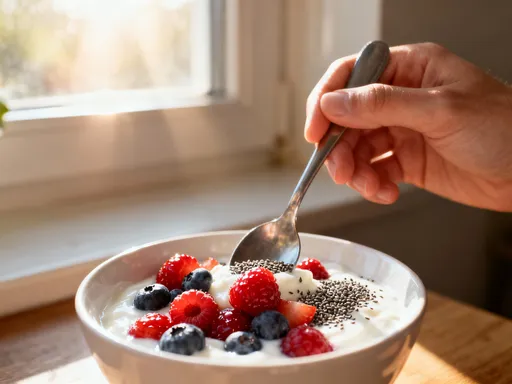
A typical day now includes a breakfast of oatmeal topped with fresh berries and a sprinkle of ground flaxseed — a meal rich in soluble fiber, which helps lower LDL cholesterol. Lunch often features a large salad with mixed greens, beans, grilled chicken or tofu, and a vinaigrette made with a small amount of olive oil. Dinner might be baked salmon or lentil stew served with quinoa and roasted vegetables. Snacks include fruit, air-popped popcorn, or a small handful of almonds — all satisfying, nutrient-dense options that keep me full without excess fat.
Fiber became a cornerstone of my new routine. Whole grains, legumes, fruits, and vegetables not only support digestive health but also help regulate appetite and blood sugar. I found that high-fiber meals kept me satisfied for hours, reducing the urge to snack on high-fat or sugary foods. Over time, my taste preferences shifted. I no longer craved heavy, greasy meals. Instead, I began to appreciate the natural flavors of fresh ingredients.
Consistency, not perfection, was the real key. There were weekends when I enjoyed a slice of cheese pizza with my family or a piece of dark chocolate after dinner. These weren’t failures — they were part of a balanced life. The goal wasn’t to be flawless but to make better choices more often. By focusing on progress rather than purity, I built a routine I could maintain for years, not just weeks.
Tracking Progress Beyond the Scale: Health Markers That Mattered Most
One of the most empowering aspects of this journey was seeing tangible improvements in my health markers. After six months of consistent changes, my follow-up blood test showed a 22% reduction in LDL cholesterol and a 17% drop in triglycerides. My HDL, the “good” cholesterol, remained stable, and my insulin sensitivity improved, indicating better metabolic function. These weren’t just numbers — they were proof that my daily choices were making a real difference.
Blood pressure, which had been creeping upward, stabilized within the normal range without medication. I had been borderline hypertensive, but lifestyle changes alone brought it under control. My doctor noted that my cardiovascular risk profile had improved significantly. More importantly, I felt it. Energy levels rose steadily. The mid-afternoon crashes that once required a nap or a sugary pick-me-up became rare. I could walk up stairs without catching my breath, keep up with my kids at the park, and tackle household projects with renewed stamina.
Interestingly, weight loss was modest — about ten pounds over the first year — but the benefits went far beyond the scale. I realized that health isn’t solely about appearance. It’s about how your body functions, how you feel day to day, and what your lab results say about your long-term risks. Tracking these markers gave me motivation that dieting never had. Instead of chasing a number, I was investing in vitality and resilience.
Regular monitoring became part of my routine. I scheduled check-ups every six months to review cholesterol, glucose, and blood pressure. Each visit reinforced my commitment. Seeing continued improvement — or catching small fluctuations early — helped me stay on course. This data-driven approach transformed my relationship with health. It wasn’t about willpower; it was about feedback, adjustment, and long-term stewardship of my body.
Overcoming Challenges: Staying on Track Without Burning Out
No lifestyle change is without obstacles. Holidays, family gatherings, and dining out presented real challenges. I learned to navigate these moments with planning and flexibility. Before a restaurant meal, I’d check the menu online and choose grilled, baked, or steamed options. At potlucks, I brought a healthy dish I knew I could enjoy. During celebrations, I allowed myself small portions of favorite foods without guilt, focusing on savoring rather than overindulging.
Emotional eating was another hurdle. There were times when stress or fatigue made me reach for comfort foods — often high in fat and sugar. Instead of self-criticism, I began to recognize these patterns and address the root causes. A short walk, a cup of herbal tea, or a few minutes of deep breathing often helped more than food ever did. I also found that drinking more water and ensuring adequate sleep reduced false hunger cues.
Plateaus were discouraging. There were months when my blood markers didn’t improve, or my energy seemed to stall. During those times, I reminded myself that health is not linear. Progress isn’t always visible in numbers or feelings. I revisited my goals, adjusted portion sizes, and sometimes increased physical activity. Patience and persistence paid off. Each time I pushed through a plateau, I emerged with stronger habits and deeper commitment.
Support played a crucial role. Sharing my journey with a close friend who also prioritized health created accountability and encouragement. We exchanged recipes, shared challenges, and celebrated small wins. Most importantly, I practiced self-compassion. I stopped viewing slip-ups as failures and started seeing them as learning opportunities. This mindset shift made the low-fat lifestyle feel sustainable, not stressful.
The Bigger Picture: How This Choice Impacts Lifelong Wellness
Looking back, I see my decision not as a diet, but as a long-term investment in wellness. Research consistently shows that diets lower in saturated fat and higher in plant-based foods are associated with reduced risk of heart disease, stroke, type 2 diabetes, and certain cancers. By aligning my eating pattern with these findings, I’m not just managing current health — I’m building resilience for the future.
Medical organizations such as the American Heart Association and the World Health Organization recommend limiting saturated fat to less than 10% of daily calories and replacing it with unsaturated fats and whole carbohydrates. My approach naturally fits within these guidelines. I’m not following a rigid protocol — I’m living by standards that experts trust for long-term health.
This preventive mindset has reshaped how I think about aging. I want to stay active, independent, and vibrant as I grow older. I want to travel, play with grandchildren, and enjoy daily life without being limited by chronic illness. Nutrition is one of the most powerful tools we have to influence that outcome. Every meal is a chance to support my body’s systems, reduce inflammation, and promote cellular health.
What I’ve learned is that small, consistent choices compound over time. Skipping butter today may not change my life tomorrow, but doing it most days for years can alter my health trajectory. This isn’t about fear of disease — it’s about respect for the body I have and the life I want to live. A low-fat lifestyle, done right, is not restrictive. It’s liberating. It’s freedom from fatigue, from health anxiety, from the burden of preventable illness.
Your Turn: Making It Work for You — Practical First Steps
If you’re considering a low-fat approach, start small. Choose one change to focus on for the next week. Swap whole milk for low-fat or plant-based milk. Replace fried eggs with poached or boiled. Try grilling or baking meats instead of frying. These simple substitutions reduce saturated fat without requiring a complete kitchen overhaul.
Learn to read nutrition labels with a critical eye. Look for products with less than 3 grams of fat per serving and minimal saturated fat. Watch for hidden sugars — if sugar, corn syrup, or words ending in “-ose” appear near the top of the ingredient list, the product may be compensating for lost flavor with sweeteners. Choose whole foods whenever possible: fresh fruits, vegetables, legumes, whole grains, and lean proteins.
Build meals around fiber and volume. Fill half your plate with vegetables, a quarter with lean protein, and a quarter with whole grains. Add healthy fats in moderation — a drizzle of olive oil, a few avocado slices, or a small portion of nuts. These meals are satisfying, nutrient-rich, and naturally lower in unhealthy fats.
Consult your healthcare provider before making significant changes, especially if you have existing health conditions. Blood tests can help you understand your baseline and track progress. Work with a registered dietitian if needed to personalize your approach. Remember, there’s no one-size-fits-all solution. The best diet is one you can maintain for life.
Finally, view this not as a sacrifice, but as an act of self-respect. Choosing foods that support your health is a quiet, powerful way to care for yourself. It’s not about perfection — it’s about showing up for your future. Every mindful choice is a step toward more energy, clearer lab results, and greater confidence in your daily life. A low-fat lifestyle, done with intention and balance, isn’t just a way of eating. It’s a promise to live well, for years to come.